Introduction
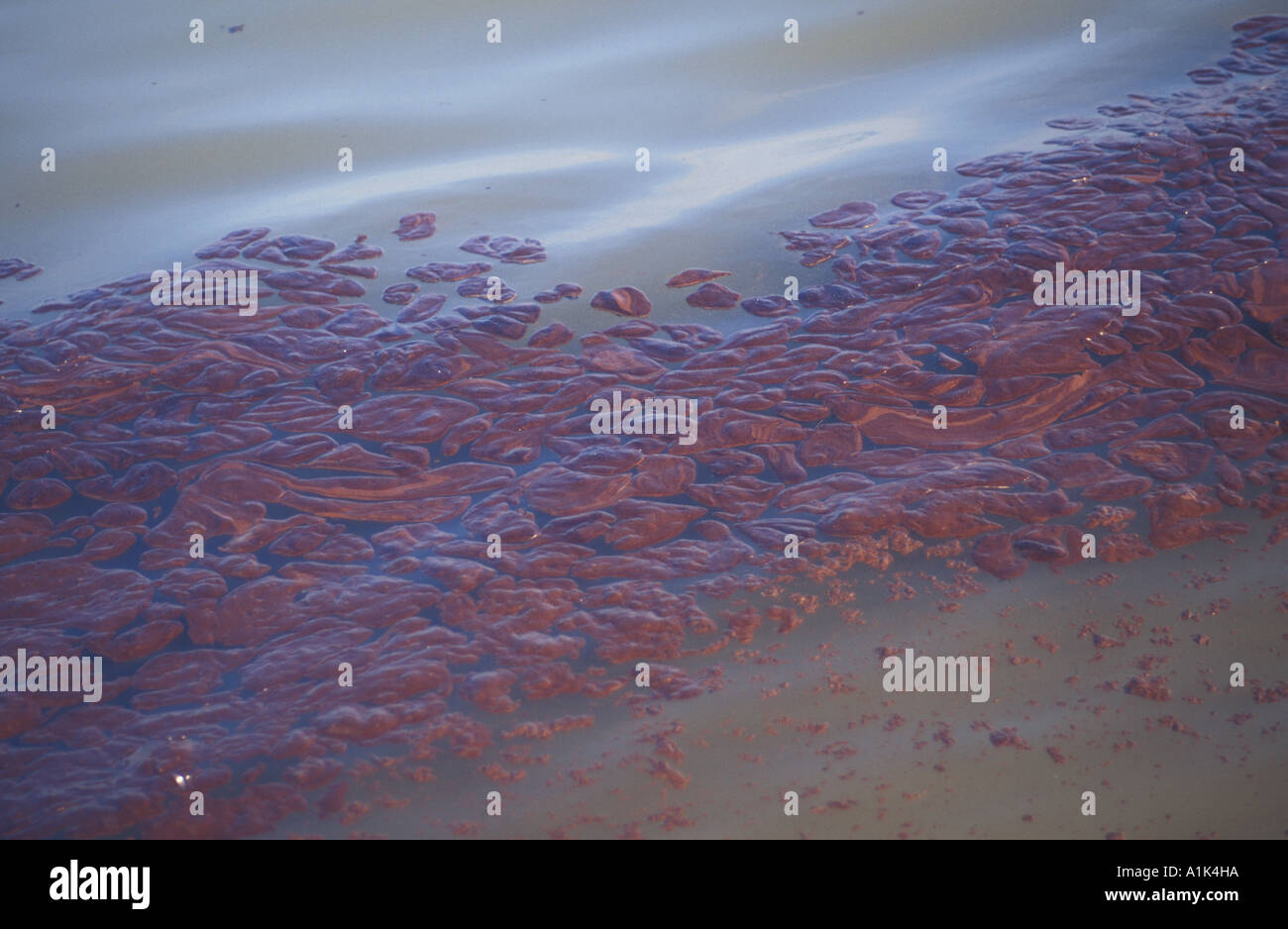
The Sea Empress oil spill, which occurred in February 1996 off the coast of Pembrokeshire, Wales, stands as one of the most significant environmental disasters in British history. Involving a dramatic release of nearly 72,000 tonnes of crude oil into the sea, the incident has had profound effects on local wildlife, marine ecosystems, and environmental policies in the UK. Understanding this event is crucial, not only for recognising its immediate consequences but also for drawing lessons that inform current and future environmental regulations.
Details of the Incident
The Sea Empress, a Liberian-registered oil tanker, was navigating into Milford Haven when it collided with a navigation buoy. The accident led to the vessel grounding and the catastrophic spill of oil into the surrounding waters. Efforts to contain the spill were immediately mobilised, involving over 1,500 personnel from various organisations including the Coastguard, local authorities, and volunteer groups. Despite these efforts, oil contamination spread rapidly across the coastline, leading to extensive damage to marine habitats.
The spill affected over 200 km of coast, devastating local wildlife, including birds, seals, and various marine species. Reports indicated that approximately 10,000 seabirds died as a result of the contamination, along with significant impacts on fish and shellfish populations, vital to the local fishing industry.
Long-term Consequences
In the wake of the disaster, extensive studies were conducted to assess the ecological impact and inform recovery strategies. The Sea Empress oil spill prompted a significant change in environmental legislation within the UK. The incident highlighted critical gaps in safety procedures and emergency response strategies, leading to a re-evaluation of oil transportation regulations. The Merchant Shipping (Oil Pollution Preparedness, Response and Cooperation Convention) Regulations were introduced, aiming to minimise the risk of future spills and ensure a more comprehensive response framework.
Conclusion
The Sea Empress oil spill remains a poignant reminder of the vulnerability of marine ecosystems to human activity. The long-term ecological impacts of the spill, combined with the changes in environmental policy it inspired, make it a critical case study in environmental management. As the effects of climate change and increased maritime traffic continue to pose threats to the marine environment, understanding incidents like the Sea Empress spill helps inform better practices moving forward. A commitment to preventing similar disasters is essential not only for protecting wildlife but also for fostering sustainable connections between communities and their surrounding environments.