Introduction
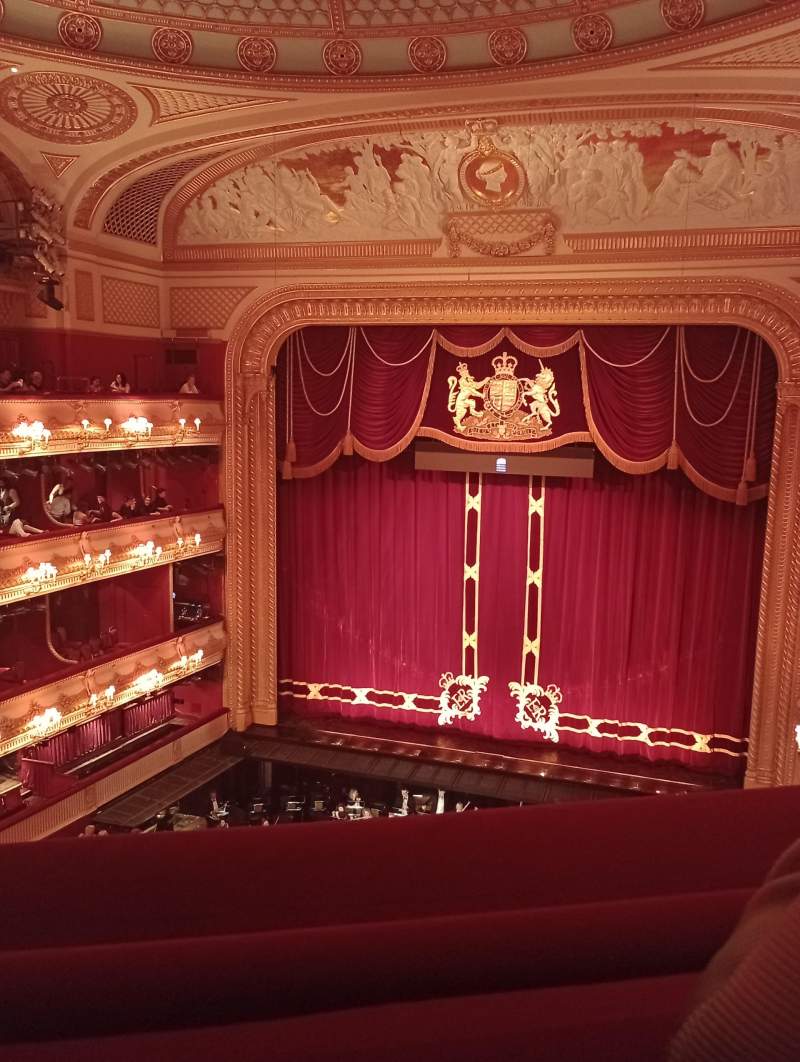
The Royal Opera House, located in Covent Garden, London, is one of the most prestigious opera houses in the world. Serving as a beacon of culture and the arts, it is renowned not only for its exceptional performances but also for its rich history and architectural grandeur. The venue is home to the Royal Opera and the Royal Ballet, showcasing a variety of performances that appeal to a diverse audience. Given the ongoing recovery from the pandemic, the relevance of supporting the arts and culture is paramount, with the Royal Opera House playing a significant role in reviving public engagement.
Historical Significance
The current building of the Royal Opera House was completed in 1858, although the site itself has a history dating back to 1732. Throughout the years, it has undergone numerous renovations to enhance its facilities and aesthetic appeal. Notably, the venue has suffered significant damage, including during the Blitz of World War II, which led to extensive rebuilds. The Royal Opera House has since become one of the leading institutions for opera and ballet, attracting world-class talents and a loyal audience.
Recent Developments
In an effort to adapt to the changing cultural landscape and to engage new audiences, the Royal Opera House has introduced various measures over the past year, including live-streaming performances, educational programmes, and community outreach initiatives. The introduction of accessible ticket pricing has also been a key focus, aiming to ensure that the arts remain inclusive. Following the COVID-19 pandemic, the venue has implemented strict health and safety protocols to protect both performers and attendees, creating a safe environment to enjoy live performances.
Looking Ahead
As the Royal Opera House embarks on the next chapter of its illustrious history, it is poised to adapt and thrive in a post-pandemic world. Plans include expanded digital offerings and a focus on innovative performances that reflect contemporary themes. The commitment to nurturing emerging talent in the arts also remains a priority, ensuring that the next generation of performers is supported and given a platform. The significance of the Royal Opera House extends far beyond its walls; it remains a key player in the cultural ecosystem of the UK, inspiring creativity and collaboration across all forms of artistic expression.
Conclusion
The Royal Opera House stands as a cultural landmark that enriches the lives of many through exceptional performances and educational efforts. Its ongoing evolution is essential not only for the performing arts community but also for fostering a love of culture in society at large. As the Royal Opera House continues to innovate and engage, it remains vital for local and international audiences alike, reinforcing the importance of the arts in a rapidly changing world.