Introduction
The Royal Mint is not just a place where coins are manufactured; it is a pivotal institution in British history, symbolising the nation’s economic stability and resilience. With the production of over 4 billion coins each year, the Royal Mint plays a significant role in the UK’s economy by supplying currency that facilitates daily transactions. Established over 1,100 years ago, it has continually evolved in technology and design, reflecting changes in the economy and society.
Historical Significance
The Royal Mint’s journey began in 886 AD under the orders of King Alfred the Great, with the minting of silver coins to ensure the reliability of the currency. Over centuries, it grew in prominence, becoming a central fixture in Britain’s royal and financial landscape. The Mint has witnessed historical events, including wars and the transition from the gold standard, mastering the art of coin production and adopting advanced technologies along the way.
Modern Advances and Commemorative Coins
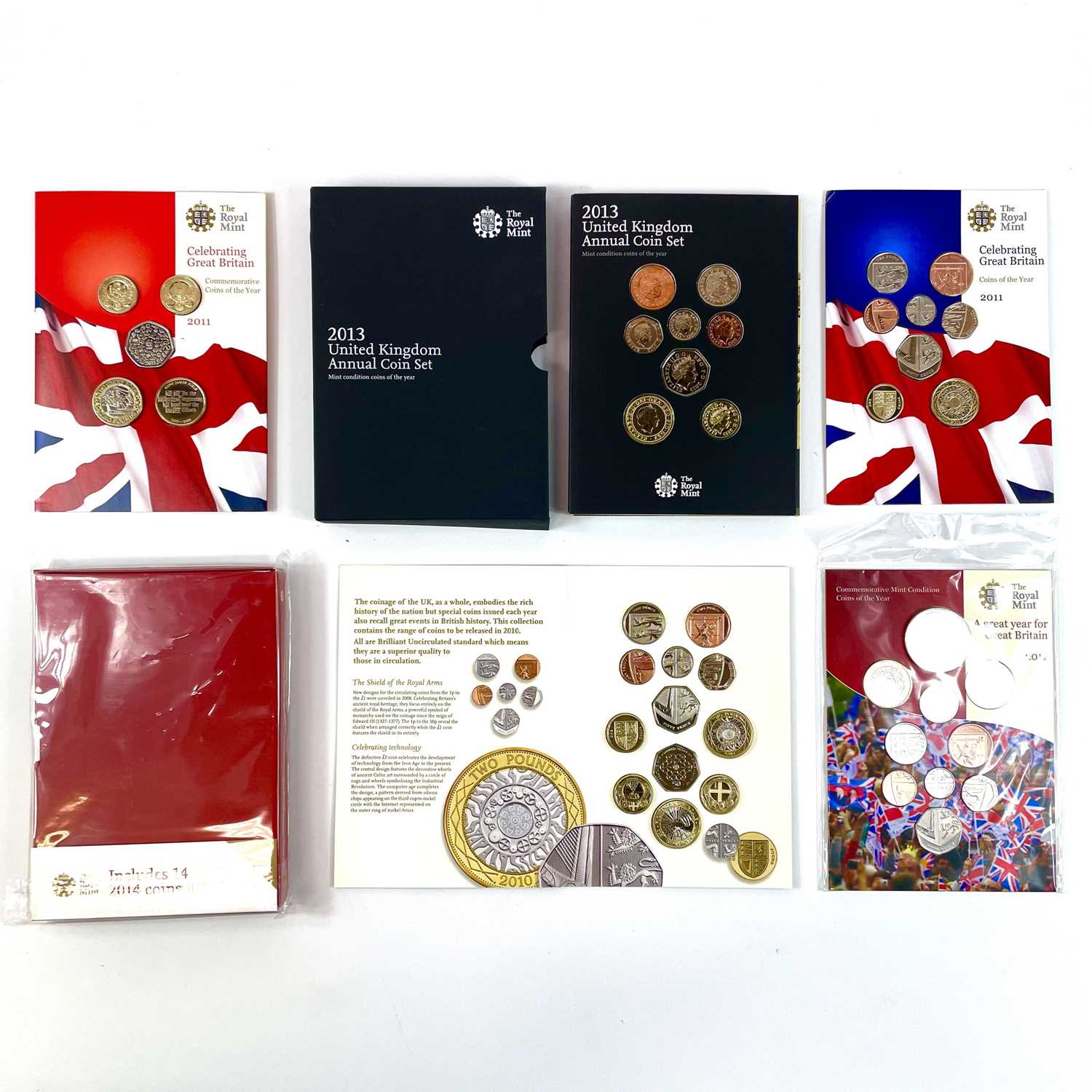
In recent years, the Royal Mint has embraced innovation in coin production. With the advent of new technology, the facility now employs state-of-the-art machinery, enabling the creation of high-quality coins that reflect contemporary artistry. Moreover, the Mint is renowned for its special commemorative coins, which celebrate significant milestones, figures, and cultural heritage. For example, in 2022, coins were released to commemorate the Platinum Jubilee of Queen Elizabeth II, showcasing the Mint’s role in not just producing currency, but also celebrating national heritage.
Economic Impact
The Royal Mint generates significant economic value, contributing to local and national economies. It employs hundreds of skilled workers who are involved in various stages of production, from design to distribution. Additionally, the Mint has expanded its offerings beyond coins to include precious metal bullion, helping to instil confidence in investments during fluctuating markets.
Conclusion
The Royal Mint stands as a testament to the enduring legacy of British currency. Its evolution from a small operation to a globally recognized brand reflects the changing landscape of economics and culture in the UK. As it continues to innovate and adapt to modern demands, the Royal Mint remains a cornerstone of Britain’s financial identity, promising to commemorate future generations with timeless pieces of artistry and tradition. For those interested in both currency and culture, the Royal Mint offers a unique glimpse into the history and future of minting in England, reinforcing its significance to readers today.



