Introduction
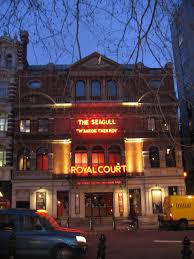
The Royal Court Theatre, located in the heart of London, is a pivotal establishment in the world of contemporary theatre. Renowned for its commitment to new writing and innovative performances, the theatre has played a significant role in shaping modern dramatic art since its inception in 1956. The importance of the Royal Court cannot be overstated, as it not only serves as a platform for emerging playwrights but also engages with pressing social issues through thought-provoking productions.
A Legacy of New Writing
Over the years, the Royal Court Theatre has been instrumental in launching the careers of several prominent playwrights, including Harold Pinter, Sarah Kane, and more recently, the likes of Jez Butterworth. The theatre’s dedication to new writing is manifested through its various initiatives, such as the Royal Court Writers’ Group and the Young Writers Programme, which aim to nurture and develop fresh talent.
The theatre has garnered critical acclaim for its groundbreaking productions. In recent months, the Royal Court has presented works that resonate with contemporary audiences. For instance, the recent revival of The Effect by Lucy Prebble confronts themes of mental health and the effects of pharmaceutical treatment, providing a rich perspective in today’s health discourse.
Community Engagement and Accessibility
Not only does the Royal Court focus on new writing, but it also prioritises community engagement and accessibility. The theatre runs various outreach programmes that aim to make theatre accessible for underrepresented communities. Initiatives such as Playwriting for Women and partnerships with local schools underline its commitment to diversity in the arts.
In light of the COVID-19 pandemic, the theatre has adapted by exploring digital platforms, creating online performances and discussions that broaden its reach further into the community. This steady evolution illustrates how the Royal Court continues to thrive in challenging times, ensuring that theatre remains vital and relevant.
Conclusion
In conclusion, the Royal Court Theatre stands not only as a significant venue for contemporary performance but also as a beacon of cultural innovation in London. Its unwavering support for new writing, commitment to community engagement, and adaptability in facing challenges set it apart in the theatre landscape. As the Royal Court continues to champion new voices and tackle pressing societal issues, it will remain a key player in the arts scene, encouraging audiences to reflect, engage, and connect through powerful storytelling.