Introduction
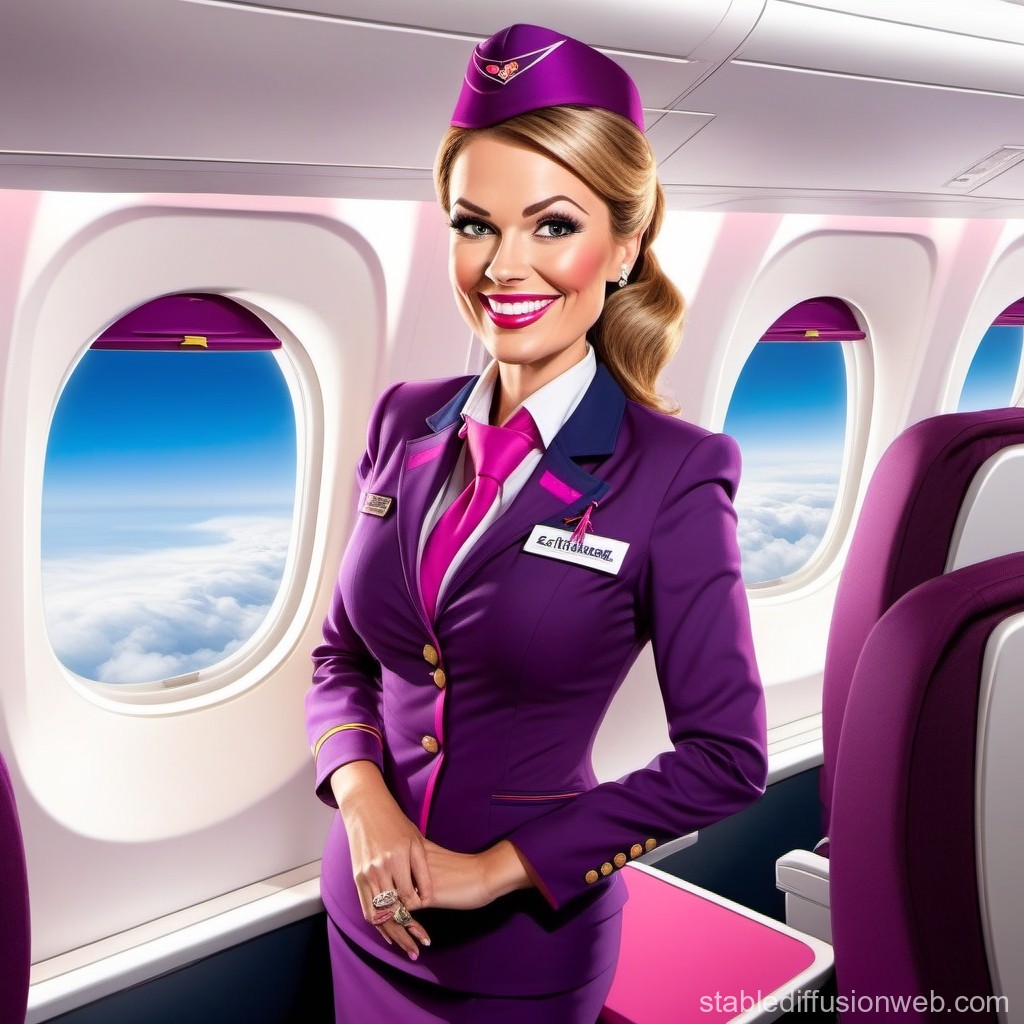
The flight attendant has long been a vital figure in the aviation industry, ensuring passenger safety, comfort, and service during flights. In recent years, the role has expanded significantly, especially in light of challenges stemming from the COVID-19 pandemic, changing customer expectations, and advancements in technology. This article explores these new dimensions of the flight attendant’s responsibilities and what they mean for both the aviation workforce and passengers.
The Evolving Responsibilities
Traditionally, flight attendants were primarily focused on safety measures and delivering in-flight services. However, the pandemic has ushered in a host of new protocols, including enhanced sanitisation procedures and strict health checks. Many airlines have retrained their staff to handle these new requirements efficiently. According to the International Air Transport Association (IATA), as of 2023, the focus on health safety has become a cornerstone of airline operations, leading to new guidelines for procedurally training flight attendants.
Customer Service in the Digital Age
Aside from safety duties, flight attendants now also serve as an integral part of customer service, responding to a growing demand for personalised experiences. With the introduction of app-based services, passengers often expect instant assistance and information. This shift has required flight attendants to become proficient not only in face-to-face interactions but also in digital literacy.
Emotional Labour and Mental Health
The role of the flight attendant also embodies considerable emotional labour, necessitating a high level of interpersonal skills. The stresses of dealing with various passenger behaviours, coupled with the physical demands of the job, can take a toll on mental health. The Association of Flight Attendants-CWA recently reported an uptick in mental health concerns among their members, which has led to airlines incorporating mental health resources into their training modules.
Conclusion
As the aviation industry continues to recover and adapt to a post-pandemic world, the function of the flight attendant is undeniably pivotal. Understanding the complexities of their roles helps underscore the broader challenges faced by the aviation sector today. As airlines adapt to new customer expectations and health protocols, the work of flight attendants will likely become even more crucial. In the coming years, we can anticipate further developments in their training and operational responsibilities, highlighting their significance in delivering a safe and enjoyable travel experience.