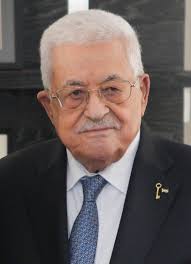
Introduction
Mahmoud Abbas, also known as Abu Mazen, has been a pivotal figure in Palestinian politics for decades. As the President of the Palestinian Authority (PA), his leadership is crucial in navigating the complex landscape of Palestinian self-governance and international relations. In light of current events, Abbas’s policies and actions have garnered attention, making a thorough understanding of his role and the challenges he faces vital for those observing the Middle East peace process.
Current Political Climate
As of late 2023, Mahmoud Abbas continues to lead the Palestinian Authority amidst a backdrop of political fragmentation and societal challenges. Abbas’s term has seen a decline in popular support due to rising discontent among the Palestinian people regarding governance and the ongoing Israeli occupation. Current crises, such as the humanitarian situation in Gaza and tensions in the West Bank, have exacerbated public frustrations, leading to calls for reforms within his administration.
Abbas’s leadership has also been challenged by the rise of alternative factions, including Hamas, which governs Gaza. The internal divide between these factions complicates efforts for a unified Palestinian front in negotiations with Israel and has resulted in a lack of cohesive political strategy. Recent dialogues and efforts to initiate elections, which have been postponed multiple times, highlight Abbas’s struggle to maintain legitimacy.
International Relations and Recognition
On the international stage, Mahmoud Abbas continues to seek recognition for Palestine as a sovereign state. His efforts led to Palestine gaining non-member observer state status in 2012 at the United Nations. However, ongoing Israeli settlements and the lack of a definitive peace agreement have hindered progress significantly. Abbas’s attempts to garner support from Arab nations and the international community reflect his desire to reshape Palestinian diplomacy and strengthen their plight. Particularly in the context of changing alliances in the Middle East, Abbas’s diplomatic approach is increasingly vital in garnering support against Israeli policies.
Conclusion
Mahmoud Abbas’s leadership is crucial during this transformative time for the Palestinian movement. His struggle to balance internal political pressures with external diplomatic efforts remains a key focus. As global attention shifts toward the Israeli-Palestinian conflict, understanding Abbas’s position and challenges will be significant for predicting the future of peace negotiations. The road ahead will undoubtedly test his leadership as he navigates both domestic dissatisfaction and international relation intricacies.