Introduction
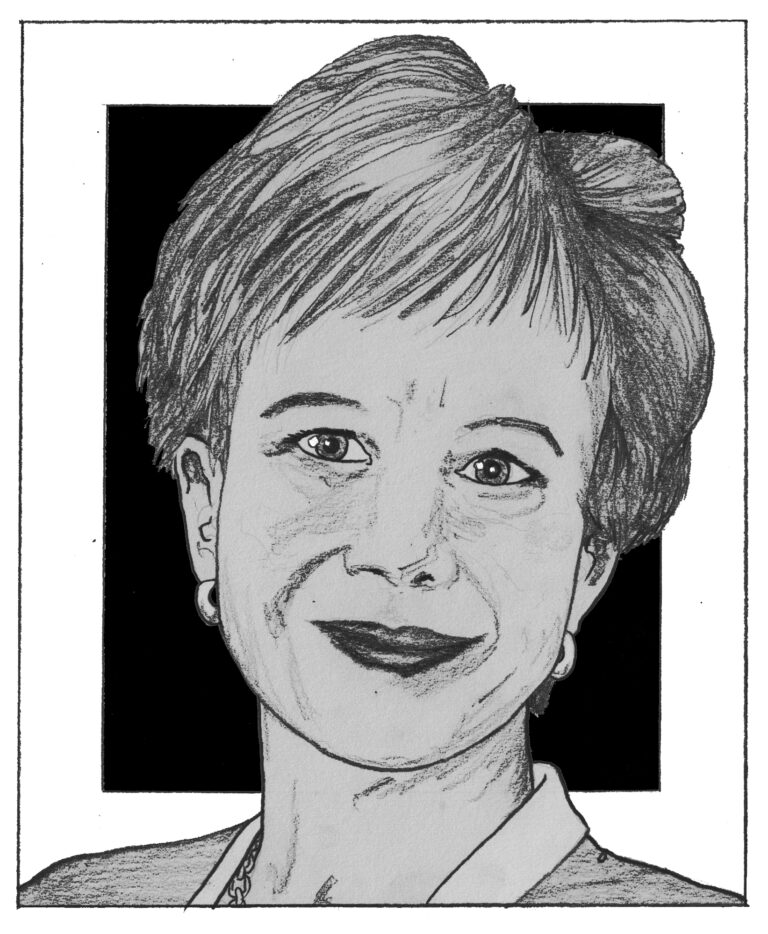
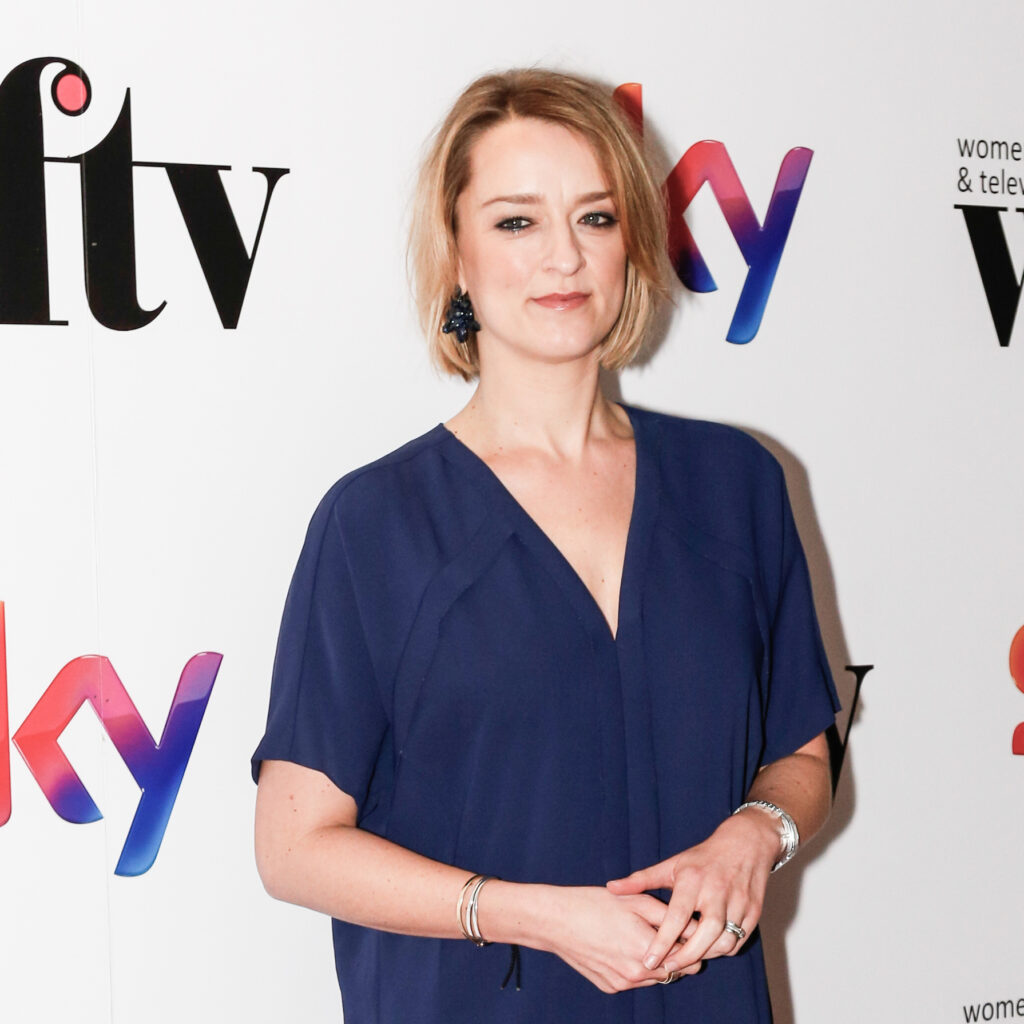
Laura Kuenssberg, the former BBC Political Editor, has emerged as one of the most influential figures in British journalism. Her ability to report on complex political matters and provide insightful analysis has garnered her both praise and criticism. As the first woman to hold the position of Political Editor at the BBC, Kuenssberg’s work has been pivotal in shaping public understanding of political events, especially during the tumultuous Brexit debates and recent general elections.
Career Milestones
Kuenssberg began her career in journalism at the University of Edinburgh, where she earned a degree in History. Her early work included roles at The Guardian, Channel 4 News, and eventually the BBC, where she became known for her sharp questioning and commitment to transparency. Over the years, she has covered key political moments such as the Scottish Independence referendum in 2014 and the subsequent general elections. Her tenure as Political Editor has also witnessed the rise of new political movements and parties, including the impact of Jeremy Corbyn’s leadership on the Labour Party.
Impact on Political Discourse
Kuenssberg’s reporting has not been without controversy. While many commend her for presenting the facts in a straightforward manner, some critics argue that her style contributes to an environment of sensationalism in media. However, it cannot be dismissed that her work has encouraged a greater public engagement with politics. The manner in which she effectively translates complex political jargon into accessible language has allowed a broader audience to understand pressing issues.
Challenges and Criticism
Despite her achievements, Kuenssberg has faced significant challenges and criticism throughout her career. Her coverage of Brexit was met with fierce backlash from both Remainers and Leavers, as various factions accused her of bias. The significant responsibility of being the BBC’s chief political correspondent has placed her under scrutiny, with social media becoming a battleground for supporters and adversaries alike. Nevertheless, her resilience has often shone through as she continues to report on the evolving political landscape.
Conclusion
Laura Kuenssberg’s role in British journalism will likely be studied for years to come. As UK politics continues to evolve, her contributions will remain significant in shaping how the public perceives and engages with it. Looking ahead, the challenge for journalists like Kuenssberg lies in maintaining trust and delivering unbiased reporting in a rapidly changing media environment. The ongoing discourse about the role of journalism in democracy underscores the necessity for responsible reporting, making Kuenssberg’s work ever more relevant.