Introduction
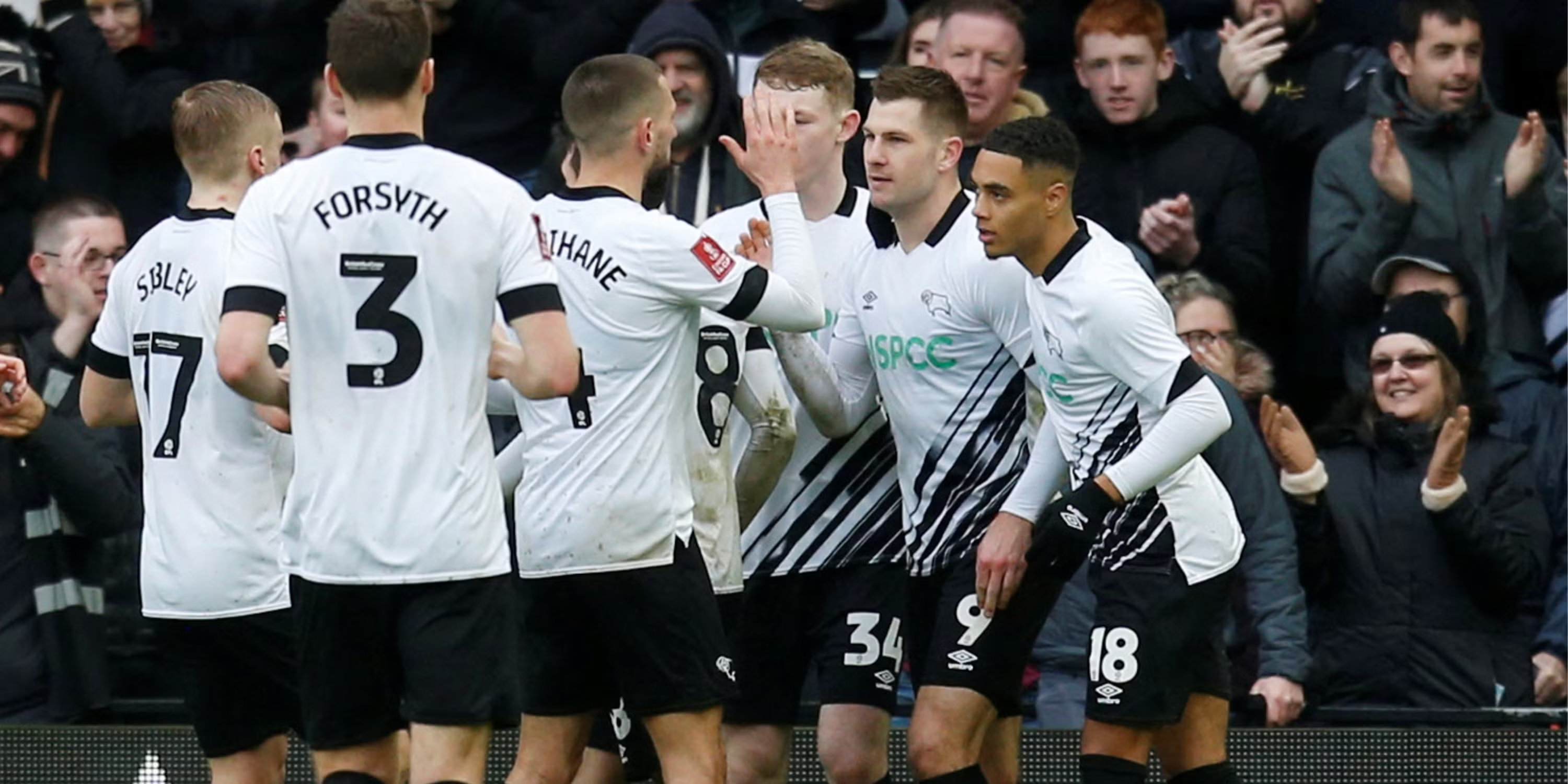
Derby matches hold a unique significance in the sports culture of the United Kingdom, representing intense rivalry and community pride. These encounters traditionally involve teams from the same geographic area, fostering a passionate atmosphere as fans rally for local supremacy. The excitement surrounding these matches often transcends sports, becoming a key part of local identity and culture. In recent years, the attention on derby games has only intensified, making them pivotal events in the football calendar.
Noteworthy Derbies in UK Football
One of the most famous derbies is the North West Derby between Liverpool and Manchester United, two of the most successful clubs in English football history. Their matches are watched by millions worldwide, with the rivalry rooted in historical, economic, and cultural factors between the two cities. Another notable rivalry is the North London Derby, where Arsenal faces Tottenham Hotspur, steeped in over a century of rivalry. The passion displayed by fans during these encounters is a testament to the local pride instilled from a young age. In the Scottish Premier League, the Old Firm Derby between Celtic and Rangers embodies a rivalry that is both sporting and socio-political, underlined by historical divides in Glasgow.
Broader Implications of Derby Matches
Derbies foster community spirit and can stimulate local economies through increased attendance and associated spending on hospitality, transport, and merchandise. They also provide a platform for local clubs to showcase their talent against their rivals, which can have a profound impact on player development and recruitment. Furthermore, derby matches often instigate charitable initiatives as clubs and fans come together for local causes during these high-profile fixtures.
Conclusion
As we move further into the 21st century, the significance of derby matches is likely to evolve, influenced by changes in broadcasting and globalisation of sports. However, the core of what they represent – the passion of local fandom, the intense rivalries, and the vibrant community spirit – remains unchanged. For both fans and players, derby days represent more than just three points; they are a celebration of local pride and identity in the heart of UK sport.