Introduction
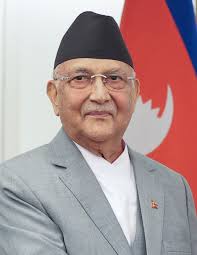
The position of the Prime Minister of Nepal holds significant importance both nationally and regionally, as it shapes the country’s political landscape and foreign relations. With the ongoing complexities of governance and international challenges, the actions and policies of the Nepali Prime Minister are crucial for the country’s stability and development. This article will delve into recent events involving the Nepali Prime Minister, shedding light on their implications for the nation.
Recent Events and Policies
As of October 2023, Pushpa Kamal Dahal, also known as Prachanda, serves as the Prime Minister of Nepal. He has resumed office after assuming his position in December 2022, making this his third term in leading the government. Under his leadership, Dahal has focused on several key issues, including addressing economic challenges, enhancing infrastructure, and strengthening diplomatic ties with neighboring countries such as India and China.
One of the notable recent developments is the Prime Minister’s initiative to secure foreign investment to boost the economic recovery post-COVID-19. In his latest visit to Beijing, Dahal held discussions with Chinese officials to enhance trade relations and promote infrastructural development through China’s Belt and Road Initiative (BRI). This is seen as a vital move to increase foreign capital flow and create job opportunities within Nepal.
Challenges Ahead
Despite these efforts, the Nepali Prime Minister faces numerous challenges including political instability, internal divisions within coalitions, and the ongoing impact of natural disasters on development work. The upcoming local elections scheduled for early 2024 present both an opportunity and a hurdle for his administration, as he seeks to maintain control over party factions while also addressing public grievances related to governance and service delivery.
Conclusion
In conclusion, the role of the Prime Minister of Nepal is pivotal at this juncture in the country’s history. As Pushpa Kamal Dahal navigates complex political and economic landscapes, the outcomes of his initiatives will significantly shape not only Nepal’s immediate future but also its long-term prospects. For readers, staying informed about the actions of the Nepali Prime Minister is essential, as these decisions will undoubtedly impact the entire region’s geopolitical dynamics and economic frameworks.