Introduction
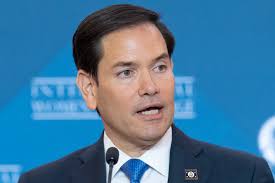
Marco Rubio, the junior United States Senator from Florida, has remained a significant player in American politics, particularly in shaping foreign policy and domestic issues. As a member of the Republican Party, Rubio’s positions and actions reflect the evolving landscape of U.S. governance and public sentiment. In this article, we explore Rubio’s recent initiatives and their implications for both Florida and the nation as a whole.
Recent Initiatives and Developments
Rubio has been particularly vocal about various issues that resonate with his constituents, including immigration reform, national security, and education. Recently, he participated in discussions surrounding the Deferred Action for Childhood Arrivals (DACA) program, advocating for a bipartisan approach that balances border security with a pathway to citizenship for young immigrants.
In the domain of national security, Rubio has expressed concerns regarding China’s global influence, pushing for stronger responses to its economic and military expansion. He has argued for enhanced military funding and alliances in the Indo-Pacific region as a countermeasure. Additionally, he has urged renewed attention to cybersecurity threats, particularly from adversarial nations.
Impact on Domestic Policies
Domestically, Rubio has been an advocate for education reform, stressing the need for increased funding aimed at improving opportunities in lower-income communities across Florida. His recent initiatives also focus on mental health resources for students, aiming to create a supportive environment in schools.
Moreover, the senator has raised concerns about inflation and its impact on the American middle class. He has proposed several bills aimed at alleviating the economic strain on families, highlighting the importance of making essential goods more accessible and affordable.
Conclusion
Marco Rubio continues to be a significant figure in American politics, influencing both foreign and domestic policy discussions. As he navigates through challenges in Congress, his actions may serve as a barometer for the Republican Party’s future direction. Looking ahead, the senator’s stance on critical issues such as immigration and national security will likely play a decisive role in shaping legislative outcomes and his party’s strategy leading up to the 2024 elections. For constituents and political observers, Rubio’s political journey will remain pivotal as it reflects broader national trends and legislative priorities.