Introduction
Brigitte Macron, the wife of French President Emmanuel Macron, has become a prominent figure in contemporary French society and politics. Her journey from a teacher to the role of France’s First Lady has attracted significant media attention, highlighting not only her influence within the political arena but also her commitment to various social causes. Understanding her role is crucial, especially as she embodies the changing perceptions surrounding the duties of political spouses in the modern age.
A Journey from Teacher to First Lady
Born on April 13, 1953, in Amiens, France, Brigitte Trogneux, as she was known before marrying Emmanuel Macron, was an accomplished high school teacher. She met Macron while he was a student in her drama class, and their unconventional love story has been the subject of numerous discussions and debates. Their marriage in 2007 was seen not only as a personal commitment but also as a bold statement against societal norms regarding age differences in relationships.
Influence in Political Sphere
As First Lady, Brigitte Macron has taken a proactive approach to her role, often participating in public engagements and initiatives that reflect her passions, including education, health, and the arts. Her involvement in the G7 summit in Biarritz in 2019, where she focused on adolescent education, demonstrated her ability to sway discussions on significant international platforms. Furthermore, Brigitte has dedicated herself to addressing children’s welfare and mental health issues through various initiatives and partnerships.
Style and Public Image
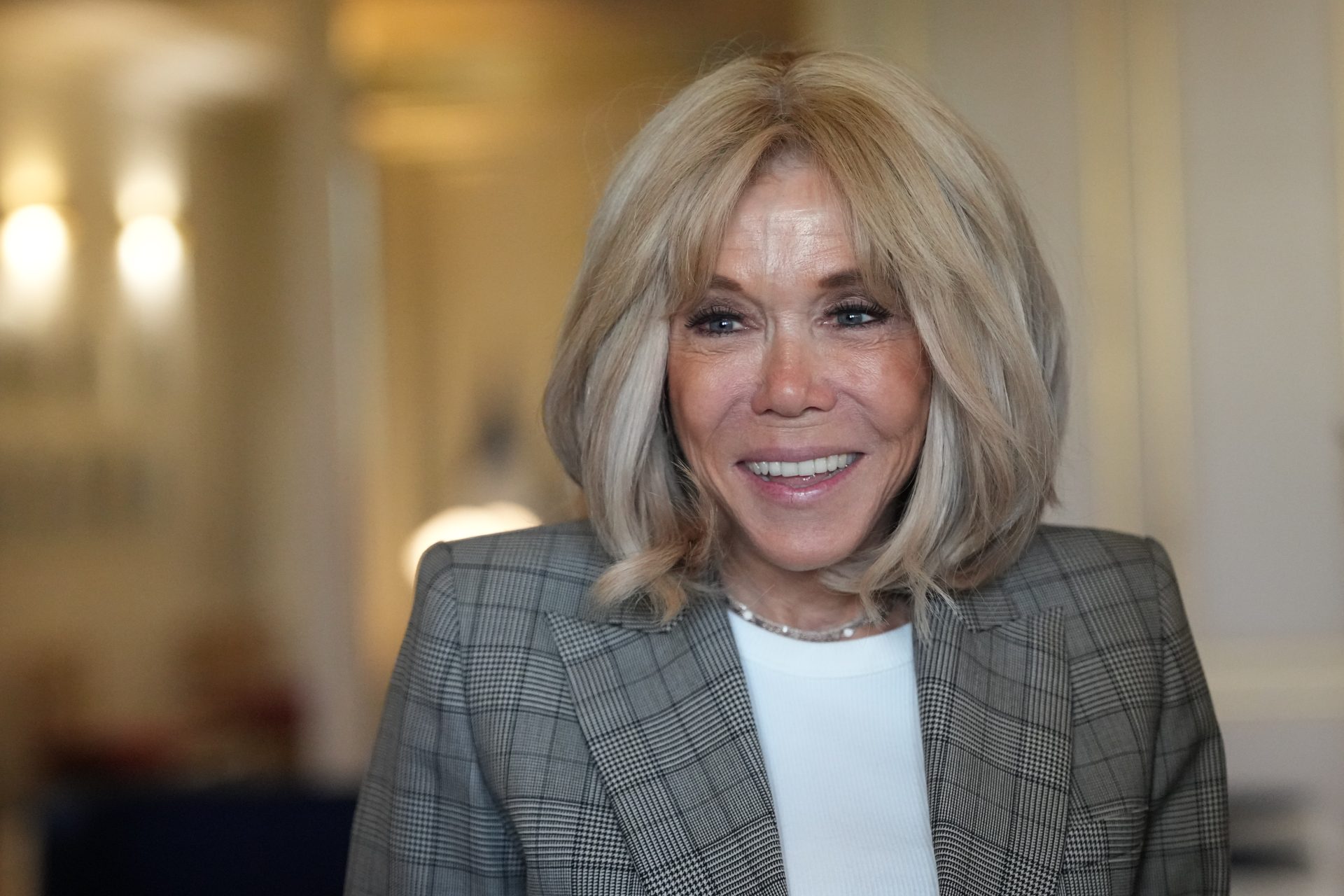
Brigitte Macron’s style has also been a talking point. Known for her chic fashion sense, she often blends classical French elegance with modern trends, earning her admiration from fashion enthusiasts. Her public appearances frequently generate media coverage, reinforcing her status not just as a political spouse but as an influential figure in the fashion world, effectively merging her roles.
Conclusion
Brigitte Macron continues to play a significant role in shaping the image of the French presidency today. As societal expectations evolve regarding the responsibilities of First Ladies, Macron’s active engagement in various issues presents a model of modern political partnership. With the upcoming presidential elections in 2027, it remains to be seen how her influence might shape the future political landscape of France, especially in terms of public engagement and policy advocacy. Her commitment to education and children’s rights may have lasting impacts that resonate beyond her husband’s presidency, illustrating the significant role political spouses can play in advocating for meaningful change.