Introduction
Chemical castration has gained prominence in both medical and criminal justice discussions, prompting debates over its ethical implications and medical applications. Used primarily to reduce sex drive in individuals, this practice is relevant in contexts as diverse as the treatment of hormone-sensitive cancers and the management of sexual offenders. As legal frameworks evolve and more information becomes available, understanding chemical castration becomes increasingly crucial.
What is Chemical Castration?
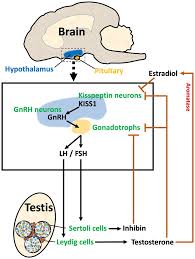
Chemical castration involves administering medication to significantly lower or inhibit testosterone levels in the body. This method is different from surgical castration, which involves the physical removal of the testes. Medications such as anti-androgens, GnRH agonists, or other hormonal therapies can be used for chemical castration.
Medical Uses
In the medical field, chemical castration is primarily employed to treat prostate cancer, where testosterone fuels the growth of cancer cells. By reducing testosterone levels, doctors aim to slow the progression of the disease, improve patient outcomes, and prolong survival rates. According to recent studies, patients with advanced prostate cancer who undergo this treatment often experience improved quality of life.
Criminal Justice Context
Beyond its medical applications, chemical castration is frequently discussed in the context of criminal justice, particularly for sex offenders. Some countries and regions have adopted this practice as part of a rehabilitation strategy to reduce recidivism rates among offenders convicted of sexual crimes. For instance, in the UK, discussions have surfaced about the potential for chemical castration as a voluntary option for offenders in exchange for reduced sentences.
Ethical Considerations
While chemical castration may reduce sexual drive and subsequent criminal behaviour, it raises significant ethical questions. Critics argue that such measures may violate individual rights, amounting to a form of punishment rather than treatment. Furthermore, concerns about the informed consent process and the potential for coercion complicate the legality and morality of implementing chemical castration. Ethical debates are ongoing, as stakeholders weigh public safety against individual rights.
Conclusion
Chemical castration presents a complex intersection of medical treatment and legal strategy, illustrating the need for nuanced discussions on its applications. As more data is collected on its effectiveness and implications, it is essential for both medical professionals and policymakers to consider its ethical ramifications and the overall impact on society. Ultimately, the discourse surrounding chemical castration will need to balance rehabilitation, public safety, and human rights.