Introduction
Sharia law is a religious legal system governing the members of the Islamic faith. It provides guidelines for virtually every aspect of a Muslim’s life, from daily routines to ethical issues. As the number of Muslims globally rises, understanding Sharia law and its application has become increasingly important, especially in multi-ethnic societies where different legal and cultural systems coexist. This article examines current events surrounding Sharia law, its relevance, and the debates surrounding its implementation in modern legal contexts.
Current Events and Implementation
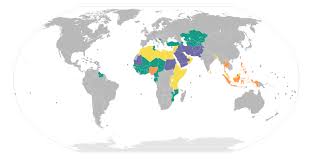
As of 2023, Sharia law continues to render significant influence in various countries, shaping personal status laws, family matters, and financial transactions. In nations such as Saudi Arabia and Iran, Sharia comprehensively structures the legal system, intertwining it with state laws. Meanwhile, in countries with significant Muslim populations like Indonesia and Pakistan, local customs and Sharia are often integrated into the legal framework.
Recent developments in the UK have highlighted this issue further, as local courts grapple with the implications of applying Sharia principles in arbitration settings, particularly concerning family law disputes. In 2021, the UK’s Court of Appeal upheld decisions involving Sharia-compliant financial agreements, affirming that these can coexist with UK law, provided all parties consent. The ruling prompted discussions about the compatibility of Sharia law with existing legal structures and raised awareness regarding fair representation and individual rights.
Impact on Society and Future Prospects
The application of Sharia law raises critical questions about gender equality, human rights, and cultural integration. Advocates argue that Sharia can promote social justice and provide moral guidance, particularly in communities where traditional norms dominate. Critics, on the other hand, express concern over potential incompatibilities with secular laws, especially around issues such as inheritance, testimony of women, and personal freedoms.
As societies evolve, the dialogue around Sharia law will likely become more dynamic. Multiculturalism and pluralism play integral roles in shaping public perceptions and influencing legal adaptations. Future forecasts suggest increased interest in finding a balance between respecting religious practices and ensuring adherence to universal human rights standards.
Conclusion
The significance of Sharia law extends beyond its religious foundations; it touches upon critical societal issues and reflects broader legal and cultural narratives. As more nations grapple with integrating Sharia into their legal frameworks, the need for dialogue, understanding, and compromise becomes paramount. Both Muslim and non-Muslim communities will need to engage in conversations that recognise the complexities of coexistence, ensuring that laws respect diverse traditions while remaining anchored in fundamental rights for all citizens.