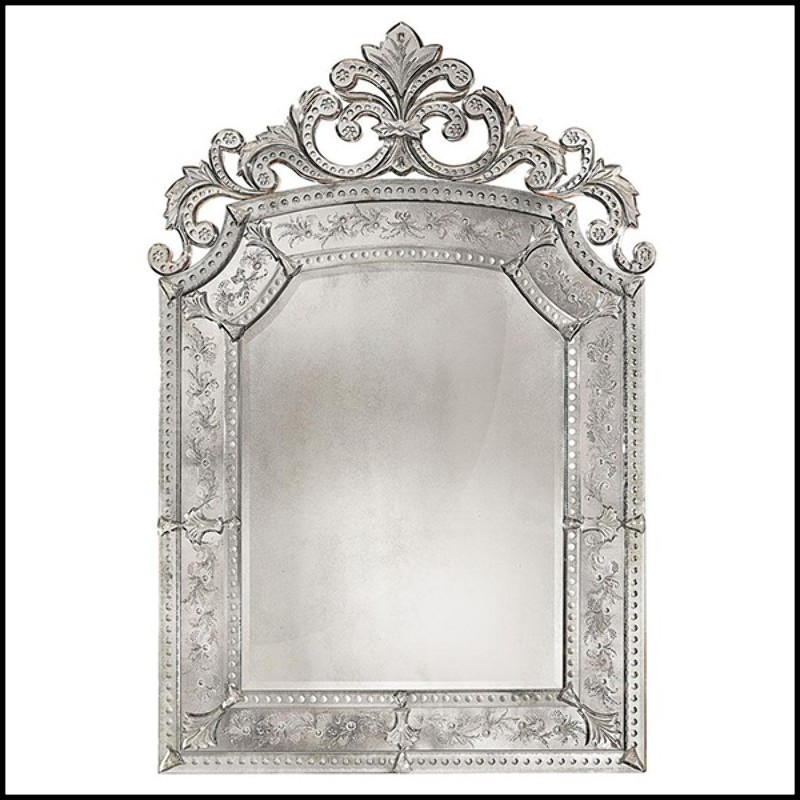
Introduction: The Importance of Mirrors
Mirrors are an essential aspect of our everyday lives, serving not only a practical purpose but also playing a vital role in culture and art. Historically, mirrors have reflected not just physical appearances but also societal norms and beauty standards. Today, their application extends beyond the home into technology, fashion, and design, making it pertinent to explore their significance and evolution.
Historical Context
The earliest mirrors were created from polished stones and metals, dating back to ancient civilisations such as the Egyptians and the Greeks. They have evolved significantly, with glass mirrors discovered in China around 2000 BC. The development of reflective backing in the 16th century in Venice marked a turning point, allowing for clearer reflections that enhanced the use of mirrors in households, art, and architecture.
Modern Applications of Mirrors
Today, mirrors are ubiquitous in various aspects of life. They serve as functional items in homes, aiding with personal grooming and interior design. The fashion industry utilises mirrors for creating captivating displays that attract customers, while the automobile industry invests in advanced mirror technologies to enhance safety features in vehicles.
Mirrors in Technology
Innovation has also led to the creation of smart mirrors, which incorporate technology that allows users to access information such as weather and news while getting ready. Augmented reality mirrors allow users to virtually try on clothing and accessories, revolutionising online shopping by enhancing customer experience.
Mirrors in Psychological Impact
Beyond their practical uses, mirrors affect our psychology. Studies indicate that mirrors can influence self-perception and even impact mood. The reflections offered by mirrors often reinforce societal beauty standards, contributing to discussions around body image and self-esteem.
Conclusion: The Future of Mirrors
Mirrors have come a long way from their ancient origins and are expected to evolve further in the future. As technology advances, we can anticipate more innovative applications, such as interactive mirrors that offer personalized experiences. As society continues to grapple with issues related to body image and self-acceptance, mirrors will likely remain a focal point of both practical utility and cultural dialogue. Understanding their role can help navigate the complexities of modern beauty standards and self-perception.



