Introduction
In recent years, oat milk has surged in popularity as an alternative to traditional cow’s milk, reflecting a growing demand for plant-based products. This shift is not just about dietary preferences; it also highlights consumers’ increasing awareness of health and environmental issues. With lactulose intolerance cases rising and climate concerns in the foreground, oat milk offers a sustainable and nutritious option for those in search of a dairy substitute.
What is Oat Milk?
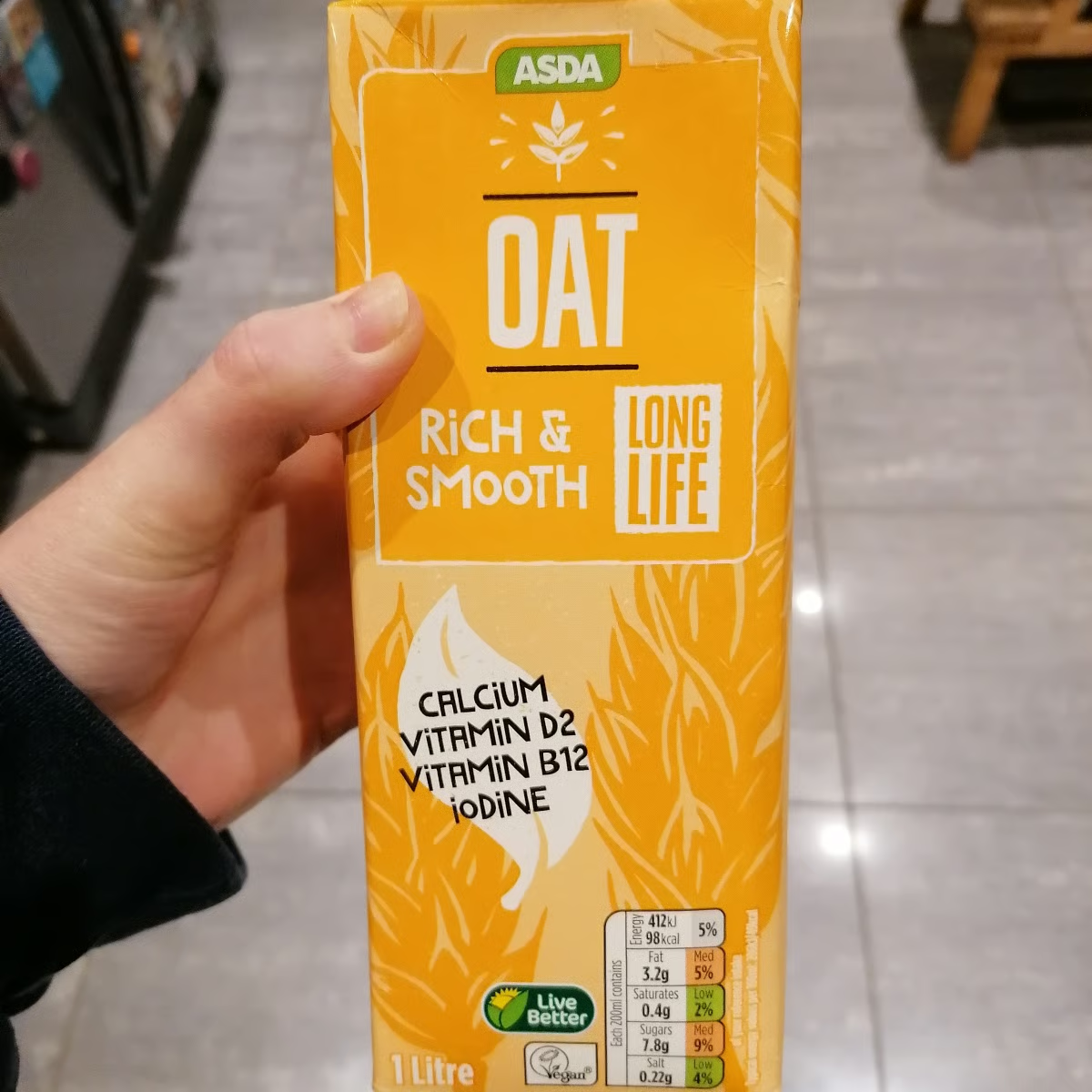
Oat milk is a plant-based milk made by blending oats with water, then straining the mixture to create a creamy, smooth beverage. Often enriched with vitamins and minerals, it serves as an excellent dairy alternative that is naturally higher in carbohydrates but lower in fat compared to other plant milks. The taste is mild and slightly sweet, making it a favourite amongst many consumers.
Market Growth and Trends
According to recent reports, the global oat milk market is expected to grow significantly, driven by increasing health consciousness among consumers and high demand in the food service industry. In the UK alone, the popularity of oat milk in coffee shops and at home has skyrocketed, with sales of non-dairy milks rising by more than 30% in the past year. Major brands such as Oatly and Alpro have seen their products become staples in both supermarkets and cafés.
Health and Environmental Benefits
Oat milk provides several health benefits, including being lower in calories and fat compared to cow’s milk. It is often fortified with calcium, vitamin D, and B vitamins, making it a nutritious choice. Furthermore, oats are high in beta-glucans, a type of soluble fibre that can help lower cholesterol levels and improve heart health.
From an environmental perspective, oats require less water to grow compared to almonds and have a significantly lower carbon footprint than dairy production. This makes oat milk a more sustainable choice for conscious consumers looking to reduce their environmental impact.
Conclusion
The rise of oat milk is not just a trend; it represents a significant shift in consumer behaviour towards healthier, plant-based alternatives. As more individuals choose oat milk for its health benefits and environmental impact, it is poised to remain a key player in the dairy alternative market. This shift will likely have long-term implications, changing how traditional dairy industries operate and encouraging further innovation in plant-based products for a sustainable future.



