Introduction
In the contemporary landscape of warfare, drone technology has become a critical component for military operations. Russian drones, in particular, have gained attention due to their strategic significance in various conflicts. This article explores the evolution, deployment, and impact of Russian drones in both historical and current contexts.
Development and Evolution
The Russian military has been investing significantly in drone technology since the early 2000s, aiming to modernize its armed forces. Notably, the introduction of the Orion drone in 2016 and the Altius-600 in 2020 exemplifies Russia’s commitment to expanding its UAV capabilities. These drones are designed for reconnaissance, intelligence gathering, and precision strikes, highlighting the shift in military strategy towards unmanned systems.
Current Usage in Conflicts
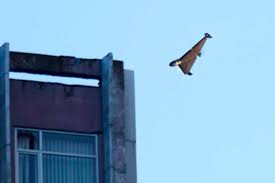
Recent events, such as the ongoing conflict in Ukraine, have showcased the deployment of Russian drones, which have been used for surveillance and targeting of enemy positions. Russian forces have reportedly employed the Orlan-10 drone for reconnaissance and the larger Forpost recon drone for strike missions. This shift towards the use of drones indicates a broader trend in modern warfare, where unmanned vehicles can conduct operations with reduced risk to human life.
Moreover, evidence suggests that Russian drones have been integrated into a network of electronic warfare systems aimed at disrupting enemy communications and surveillance. Such integration points towards a comprehensive, high-tech military strategy that Russia is adopting in its military engagements.
International Reactions and Implications
The rise of Russian drones has prompted concern among NATO allies, leading to discussions about counter-drone technologies and strategies to neutralise these threats. Countries are now investing in drone technology both for defensive measures and to enhance their offensive capabilities. This arms race in drone technology reflects a significant shift in military planning and resource allocation aimed at maintaining national security.
Conclusion
The impact of Russian drones on modern warfare cannot be underestimated. As military technology continues to evolve, drones are set to play an increasingly critical role in shaping outcome of conflicts. The ongoing arms race in drone technology will not only redefine military engagements but also influence geopolitical dynamics in the years to come. For readers, understanding the significance of these developments is crucial as they highlight the future landscape of global security and military strategy.



