Introduction
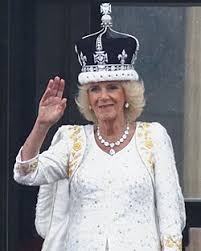
As the British monarchy continues to evolve, Queen Camilla has emerged as a pivotal figure, bringing fresh perspectives and modern approaches to royal duties. With her husband, King Charles III, now on the throne, her influence is increasingly significant in a rapidly changing society. Understanding her role provides insight into the current state of the British royal family and the challenges it faces today.
Queen Camilla’s Background
Born Camilla Rosemary Shand on July 17, 1947, in London, she is the daughter of a respected military officer and a loving mother. Camilla spent her formative years amidst an aristocratic upbringing, which equipped her with a unique understanding of both social and charitable causes. Before her marriage to Charles in 2005, she held various roles in charity work, particularly advocating for literacy and women’s issues.
Modernising the Monarchy
Since her elevation to queen consort, Queen Camilla is committed to modernising the monarchy’s image. She has actively participated in numerous charitable engagements and initiated campaigns aimed at addressing contemporary social issues, such as domestic violence and literacy. Her work with organisations like the National Literacy Trust exemplifies her dedication to improving educational standards and supporting disadvantaged communities.
Queen Camilla’s efforts are not limited to charitable work; she also seeks to present a relatable and approachable image of the monarchy. Her warm demeanor and candid nature resonate with the public, fostering a renewed interest in royal affairs among younger generations. In recent engagements, she has embraced themes of inclusivity and cultural diversity, reflecting the evolving landscape of British society.
Challenges and Controversies
Despite her growing popularity, Queen Camilla’s path has not been without controversy. Her relationship with King Charles before their marriage was heavily scrutinised, particularly concerning the dissolution of his previous marriage to Princess Diana. Over the years, public perception has shifted, with many now recognising her dedication and resilience.
Conclusion
Looking ahead, Queen Camilla’s role is likely to expand as the monarchy navigates a new era. Her influence will continue shaping public expectations and perceptions, particularly as younger royals emerge. By championing important social issues and engaging with the public, she may help reinvigorate a centuries-old institution and ensure its relevance in today’s world. Thus, Queen Camilla stands as a significant figure in the monarchy, embodying tradition while embracing modernity.