Introduction to Non-Fungible Tokens
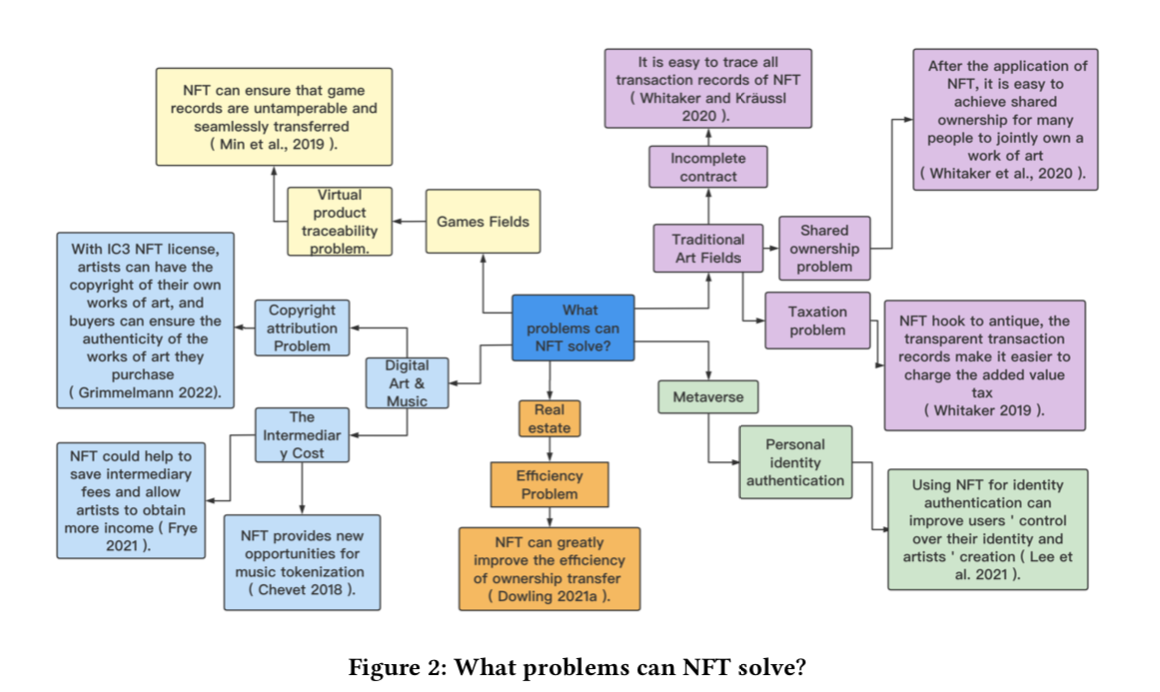
Non-fungible tokens (NFTs) have become a significant topic in the digital economy over the past few years. They represent a revolutionary way to assert ownership over digital assets, encompassing everything from art to music, games, and virtual real estate. As individuals and businesses push towards digitalisation, understanding NFTs is vital, especially as they offer a new paradigm for value in the online world.
What Are Non-Fungible Tokens?
To comprehend NFTs, it’s essential to grasp the concept of fungibility. A fungible asset is interchangeable and identical to another of its kind, like money or commodities. In contrast, NFTs are unique or exist in limited quantities, allowing for inherent distinctions.
NFTs are built on blockchain technology, providing authenticity and proof of ownership. This technology ensures that the ownership history of an NFT is transparent and verifiable, addressing long-standing issues of piracy and counterfeit in the digital realm.
Recent Developments in the NFT Market
As of 2023, the NFT market continues to evolve with significant developments and increasing mainstream adoption. Many high-profile brands like Nike, Starbucks, and even Twitter have started integrating NFTs into their business models, highlighting their versatility. In 2022, the global NFT market was valued at approximately $3 billion, with current projections suggesting that it could reach $13 billion by 2027.
Additionally, artists are increasingly launching their works as NFTs, often receiving royalties through smart contracts with each subsequent sale. This model enables creators to sustain their livelihoods while retaining closer ties to their communities and audiences.
The Future of NFTs
Looking forward, several trends might shape the future landscape of NFTs. The integration of augmented reality (AR) and virtual reality (VR) in NFT platforms can create immersive experiences for users, potentially changing the way in which digital assets are experienced. As regulations surrounding digital currencies and assets evolve, the legitimacy and stability of the NFT market may improve, encouraging further investment.
Conclusion
In summary, non-fungible tokens represent a transformative shift in how digital assets are valued, owned, and traded. As they continue to gain traction across various sectors, it’s essential for individuals and businesses alike to understand their implications. The ongoing developments in this field offer exciting opportunities for innovation, investment, and creative expression, encouraging readers to stay informed and engaged in this rapidly changing landscape.