Introduction
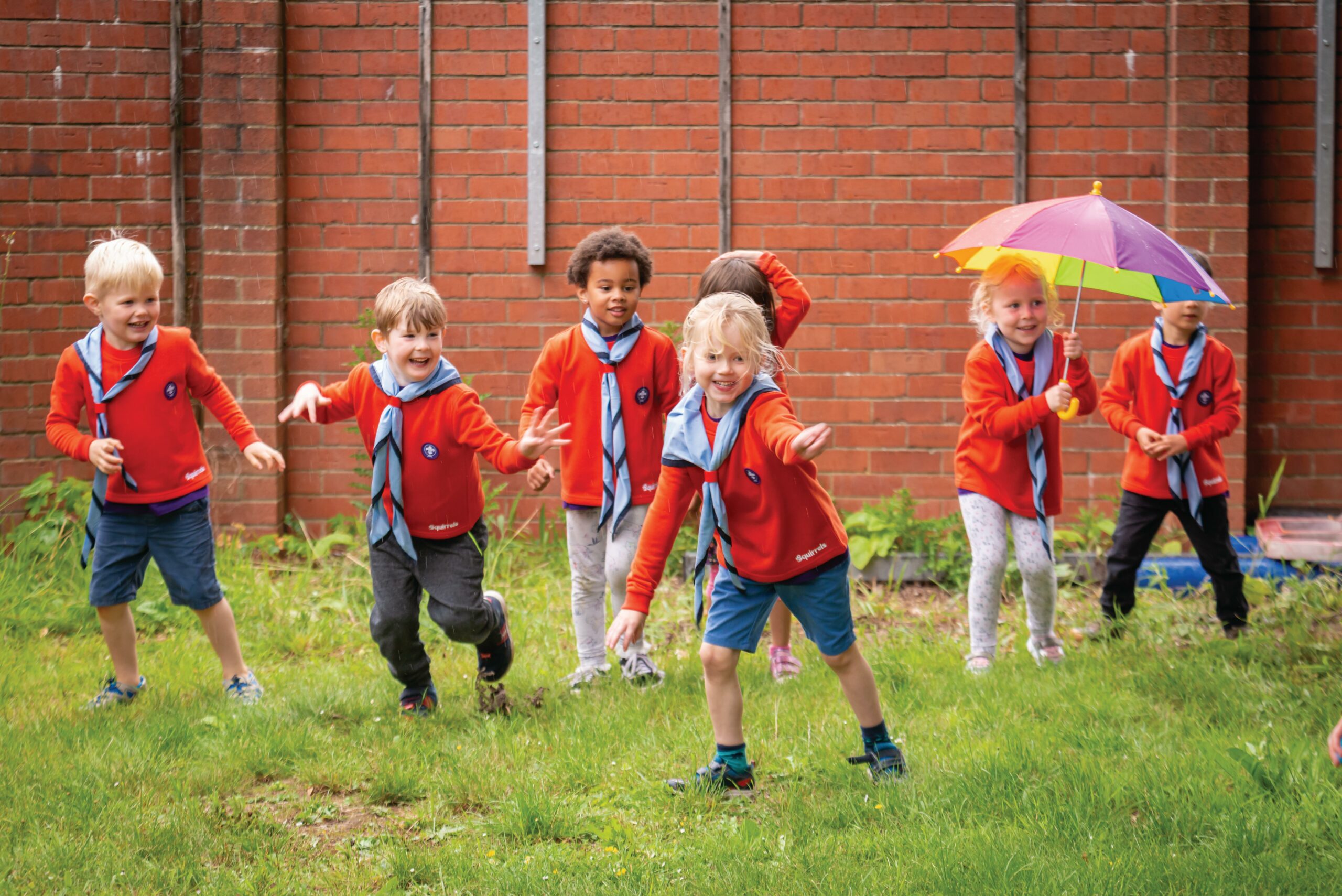
Squirrel Scouts have emerged as an innovative programme aimed at connecting children with nature while fostering a spirit of adventure and community service. This grassroots movement has gained popularity across the UK, particularly in urban areas where access to natural environments is limited. The impact of Squirrel Scouts is significant, as it not only encourages outdoor activity but also cultivates environmental awareness among younger generations.
The Concept Behind Squirrel Scouts
Founded in response to growing concerns about children’s disconnection from nature, Squirrel Scouts is designed to create a fun and engaging way for kids to learn about the environment. The programme incorporates various activities ranging from nature walks and wildlife spotting to practical conservation projects, where Scouts can participate in tree planting and habitat restoration efforts. Many local groups also emphasise the importance of teamwork and leadership, making it an enriching experience for all participants.
Recent Developments and Events
In recent months, local Squirrel Scout groups have hosted several events to raise awareness and recruit new members. Noteworthy is the “Squirrel Camp Day” held in July, where over 300 children and their families joined in for a day of nature-themed activities, including scavenger hunts and educational workshops led by local conservationists. According to reports, these events are not only fostering a connection with nature but also building community ties, as families are encouraged to join in on the fun.
Additionally, partnerships with schools have been on the rise, with educators recognising the benefits of incorporating outdoor learning into the curriculum. Schools have begun integrating Squirrel Scout activities into their lesson plans, allowing students to fulfil educational objectives while enjoying the benefits of the great outdoors.
Impact on the Community
The impact of Squirrel Scouts extends beyond individual participants. By fostering a sense of stewardship towards the environment, the initiative aims to cultivate a generation of conscientious citizens. Local councils have applauded the programme for promoting health and well-being, countering the sedentary lifestyles that have become commonplace in today’s digital age.
Conclusion
In conclusion, the Squirrel Scouts movement represents a vital step in reconnecting children with their natural surroundings while teaching them essential life skills and environmental stewardship. As more groups form and outreach programmes expand, it is expected that Squirrel Scouts will play an increasingly influential role in the lives of young people, promoting a lifelong love for nature and instilling values of conservation within the community. For parents looking for engaging ways to connect their children with nature, Squirrel Scouts may be the perfect solution.