Introduction to Sportek
Sportek, a term that encapsulates the intersection between sports and technology, is becoming increasingly significant in today’s fast-paced world. As athletics evolve, so does the dependence on advanced technologies, enhancing performance, viewing experiences, and data analytics in the sporting industry. Sportek is not just a buzzword; it represents a revolutionary change that is set to redefine how fans, athletes, and organisations engage with sports.
Current Developments in Sportek
Recent events have highlighted the growing influence of Sportek in various facets of sports. Major leagues, including the English Premier League and the NBA, are incorporating wearables and data analytics platforms that closely monitor player health, performance, and tactics. For example, devices that track heart rates, fatigue levels, and biomechanics are becoming commonplace among athletes, enabling trainers to tailor programmes that maximise performance and minimise injury risks.
Moreover, the COVID-19 pandemic has expedited the adoption of digital technologies in sports, with several clubs starting virtual fan engagement platforms. Clubs are investing in augmented reality (AR) and virtual reality (VR) environments to deliver immersive experiences for fans unable to attend games in person.
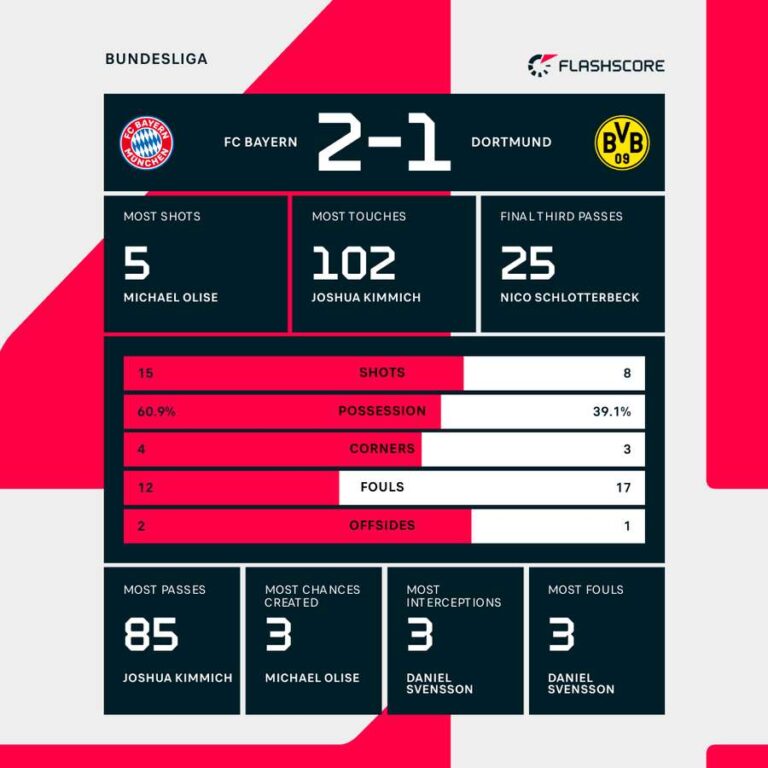
Notably, recent tournaments have integrated advanced broadcasting technologies, such as AI-driven cameras and 5G streaming, which enhance viewer engagement by providing real-time statistics and interactive options during matches. These innovations have led to more engaging and informative viewing experiences, connecting fans globally even from afar.
The Future of Sportek
Looking forward, the relevance of Sportek is projected to expand further. Experts predict that with the continuous evolution of artificial intelligence (AI) and machine learning, data analytics will become even more sophisticated, offering deeper insights into athlete performance and fan preferences. Consequently, sports organisations that embrace these technologies are more likely to lead and innovate in increasingly competitive markets.
Additionally, with sustainability becoming a crucial aspect of sports management, Sportek innovations are anticipated to include eco-friendly technologies that optimise energy usage in stadiums and arenas.
Conclusion
In conclusion, Sportek represents an essential and transformative movement within the sports industry that is reshaping how sports are played, viewed, and experienced. The continued integration of technology will likely enhance performance for athletes while providing enriched platforms for fan engagement. As these trends develop, stakeholders in the sports ecosystem must stay attuned to the rapid changes ushered in by Sportek to leverage its full potential.