Introduction
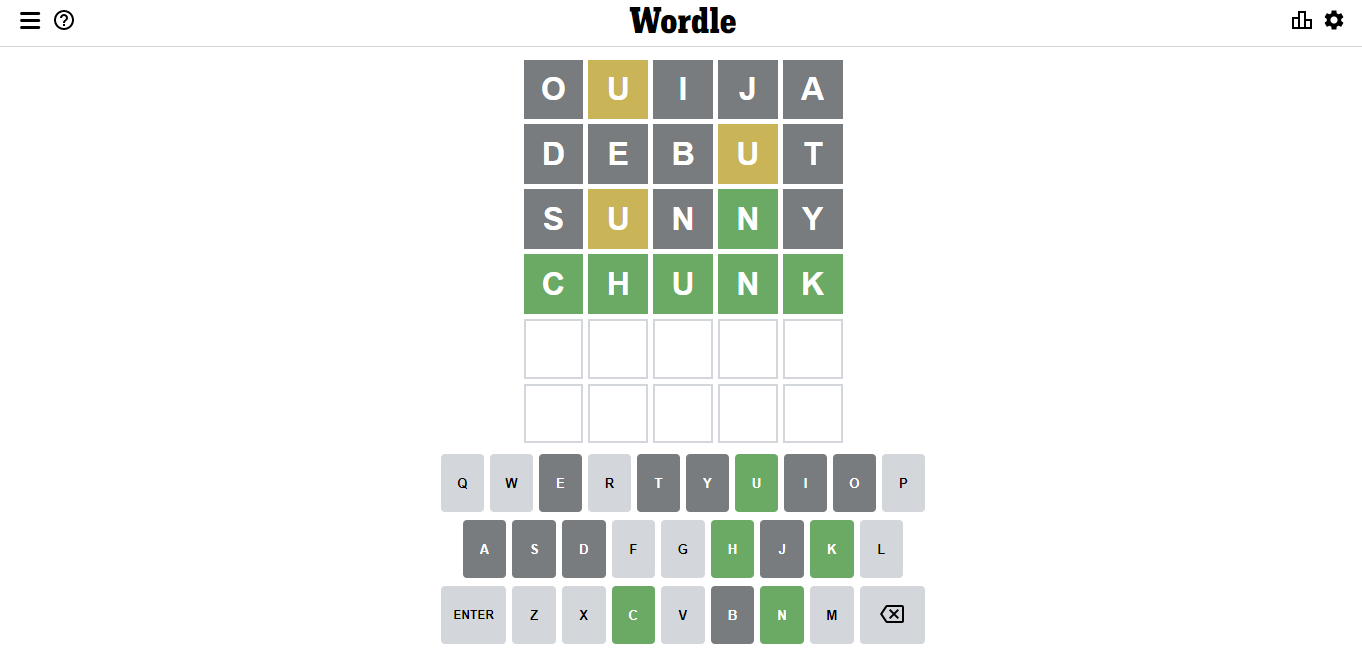
Since it was acquired by The New York Times in January 2022, Wordle has captivated millions with its simple yet addictive daily puzzle format. As a daily word game, it challenges players to guess a five-letter word within six attempts, using logic and vocabulary. The growing popularity of Wordle not only highlights the resurgence of traditional games in a digital world but also emphasizes the communal aspect of sharing results and strategies among friends and family.
Details and Background
Initially created by software engineer Josh Wardle as a gift for his partner, Wordle quickly gained traction, amassing over 300,000 players by late 2021. Following its acquisition by The New York Times, it became part of the Times’ suite of word games, enhancing its visibility. Analysts suggest that the game’s success lies in its accessibility—players can play it easily online or through the NYTimes app, requiring minimal time commitment while fostering excitement each day as a new word is released.
Wordle’s format encourages players to think critically and develop strategies, generating a vast community on social media where users share their results as a form of friendly competition. This affable nature of the game has led to a significant spike in engagement across platforms, with trending hashtags like #Wordle and #WordleBot further stimulating user interaction.
Current Trends and Developments
The New York Times has introduced various updates, such as a Wordle archive for players wanting to revisit past puzzles, enhancing user experience. The game also holds a unique position in the gaming industry, with no ads or in-app purchases, maintaining a pure gaming environment focused on user enjoyment. Furthermore, spinoffs and similar word games have emerged, showcasing the broad influence Wordle has had across the gaming landscape.
Conclusion
As Wordle continues to thrive, its significance extends beyond mere entertainment; it fosters a sense of connection in a fragmented world. With millions participating daily, the game stands as a testament to the power of simplicity in game design. Looking forward, it will be interesting to see how the NYTimes evolves the game and keeps the audience engaged while maintaining the charm that has made it a household name. The continued popularity of Wordle signifies a cultural phenomenon that, at its core, promotes cognitive skills and social interaction, reinforcing the timeless appeal of wordplay.



