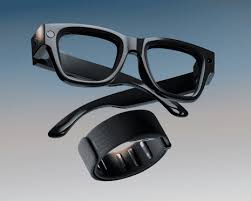
Introduction to Meta Glasses
Meta Glasses, developed by the social media giant Meta Platforms, Inc., represent a significant leap in augmented reality (AR) technology. With the rise of digital interaction, these innovative eyewear devices aim to bridge the gap between the virtual and physical worlds, transforming how users engage with their surroundings. As AR becomes increasingly relevant across various sectors, understanding Meta Glasses becomes crucial for both tech enthusiasts and average consumers.
Key Features and Developments
Recently, Meta has unveiled several iterations of their smart glasses, focusing on enhancing user experience through integrated social media functions, hands-free navigation, and immersive gaming capabilities. The latest model is equipped with high-definition displays and advanced camera systems, allowing users to capture and share moments directly from their eyewear. With voice command features and seamless connectivity to Meta’s extensive ecosystem, these glasses represent more than just technology—they are a lifestyle shift towards more integrated digital experiences.
In the global technology landscape, Meta Glasses are positioned to compete with other tech giants entering the AR market, including Apple and Google. This ongoing competition underscores the growing demand for devices that enhance social connectivity and productivity in everyday life.
Real-World Applications
The applications of Meta Glasses extend beyond personal use; industries such as education, healthcare, and retail are exploring how augmented reality can transform their operations. For instance, in education, AR can facilitate interactive learning experiences, allowing students to visualise complex concepts in 3D. In healthcare, these glasses can provide doctors with critical information during procedures, improving patient outcomes through better-informed decisions.
Challenges and Considerations
However, with innovation comes challenges. Concerns over privacy, security, and the ethical implications of pervasive digital environments have been raised. Users and developers alike must navigate these issues to foster a responsible evolution of AR technology. Transparency in data handling and user consent are vital to maintain trust as the technology becomes more integrated into daily life.
Conclusion: The Future of Meta Glasses
The future of Meta Glasses is poised for growth, with expectations that they will play a critical role in the increasingly digital world. As technology advances, consumers will demand more interactive and engaging experiences. If Meta can successfully address the challenges and refine its offerings, Meta Glasses could very well redefine how we view and interact with the world around us. Staying informed on these developments will be essential for anyone interested in the future of technology and its societal impacts.