Introduction
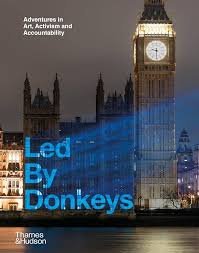
In an age where political discourse often devolves into soundbites and spin, Led By Donkeys has emerged as a refreshing voice of satire in the United Kingdom. Founded in 2018, this grassroots campaign harnesses the power of social media and outdoor advertising to critique government actions and hold leaders accountable. Their unique approach combines creativity with incisive commentary, capturing the attention of the public and highlighting significant political issues.
The Concept and Aim
Led By Donkeys was created by a group of friends disillusioned with the political landscape, particularly during the Brexit referendum. Their aim is to expose the contradictions and failures of politicians through clever visuals and witty slogans. By utilising billboards and social media platforms, they transform politicians’ own words against them, prompting the public to reflect critically on their statements and actions.
Recent Campaigns and Achievements
In recent months, Led By Donkeys launched provocative campaigns targeting key political figures and decisions. Their billboards have appeared prominently, with messages aimed at Prime Minister Rishi Sunak and Home Secretary Suella Braverman regarding NHS funding, immigration policy, and the cost-of-living crisis. These campaigns have not only sparked conversation but have also garnered significant media attention, leading to increased visibility for their message.
A notable success came when they challenged misinformation regarding Brexit promises, showcasing how the realities sharply contrasted with the pledges made prior to the referendum. This particular campaign resonated widely, leading to viral traction across social media channels.
Impact and Significance
The impact of Led By Donkeys is undeniable, contributing to a growing culture of political engagement through satire. As more individuals turn to these types of platforms for political commentary, Led By Donkeys serves as an example of how creativity can emerge as a powerful form of activism. Their innovative strategies have enabled them to gain a robust following, representing a generation eager for transparency and accountability in politics.
Conclusion
As the UK continues to navigate an increasingly complex political landscape, the significance of initiatives like Led By Donkeys cannot be understated. Their ability to marry humour with harsh truths not only entertains but also encourages civic engagement. Looking ahead, it is likely that their role will expand, inspiring new forms of political satire and activism. For readers, following Led By Donkeys offers not just a humorous take on current events, but also an opportunity to stay informed and critically assess the responsibilities of those in power.