Introduction
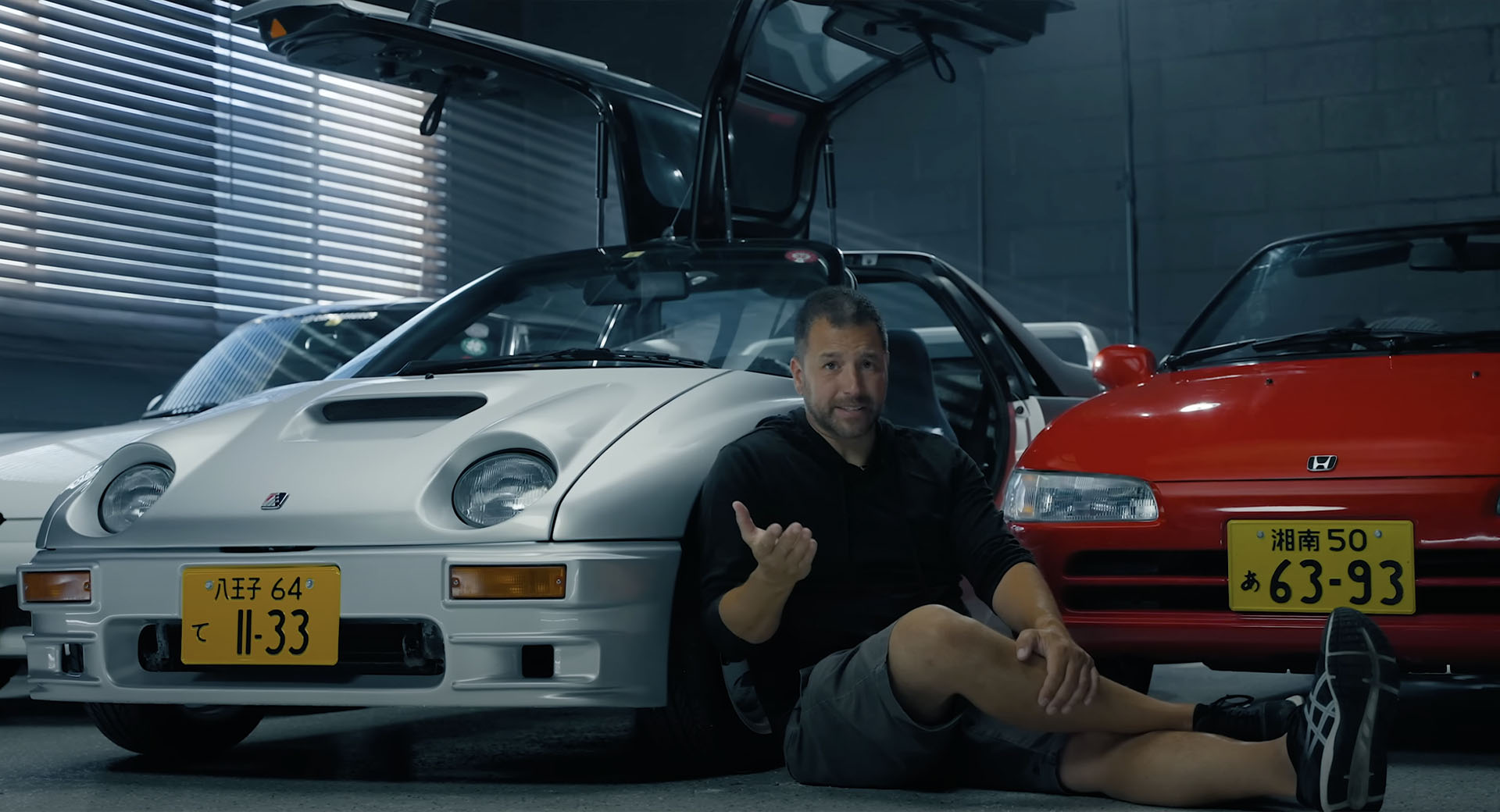
Kei cars, or “light vehicles,” play a significant role in the automotive landscape of Japan. These compact cars are not only a testament to innovative engineering, but they also address the growing need for environmentally friendly transportation solutions. With Japan’s aging population and increasing urbanization, Kei cars have become an essential mode of transport, highlighting their relevance in today’s context.
The Characteristics of Kei Cars
Kei cars are defined by their unique size and engine capacity, which must not exceed 660cc. These vehicles typically measure under 3.4 metres in length and 1.48 metres in width. Due to these specifications, Kei cars offer a number of advantages, including lower taxes and insurance premiums, making them a popular choice for city dwellers. Moreover, many manufacturers, like Suzuki and Daihatsu, have developed creative designs and features to enhance the appeal of these compact models.
Current Trends and Developments
In recent years, the popularity of Kei cars has surged, partly due to the rise of fuel prices and environmental concerns. The Japanese government supports the Kei car category, promoting these vehicles as efficient alternatives to larger cars. According to recent reports, sales of Kei cars accounted for over 40% of new car registrations in Japan in 2022, reflecting a shift in consumer preferences. Furthermore, manufacturers are increasingly investing in electric Kei cars to align with global sustainability goals, signalling a bright future for this sector.
Conclusion: The Future of Kei Cars
The Kei car segment is likely to continue expanding as urbanisation trends persist and more consumers seek practical, economical vehicles. As manufacturers ramp up production of electric and hybrid Kei cars, we can expect innovative designs and enhanced safety features to emerge. For potential car buyers and enthusiasts, Kei cars represent not only a unique driving experience but also embody the evolving landscape of the automotive industry, proving that compact vehicles can be both functional and stylish. With their growing presence beyond Japan, Kei cars are poised to make a mark on the global automotive market.




