Introduction
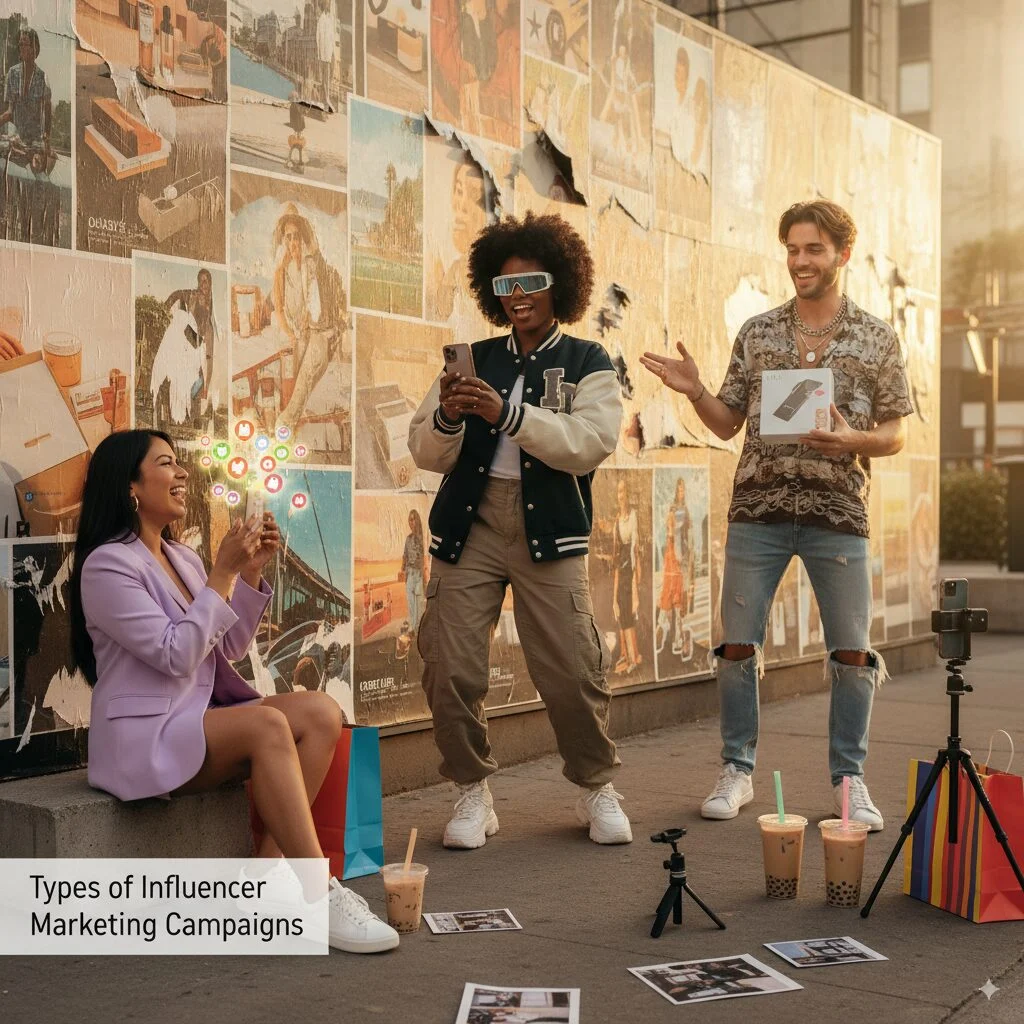
Influencer marketing has emerged as a critical component in the digital marketing landscape, revolutionising how brands connect with consumers. In a time where authenticity and relatability are paramount, influencer marketing allows businesses to reach target audiences through trusted voices within their communities. As brands increasingly recognise the value of social proof, the relevance and importance of influencer marketing continue to grow.
Current Trends in Influencer Marketing
As of 2023, several trends have reshaped the influencer marketing landscape:
1. Increased Authenticity and Transparency
Consumers today demand more transparency from influencers regarding partnerships and sponsorships. Influencers are establishing credibility by openly disclosing their relationships with brands, which in turn fosters a deeper sense of trust and loyalty among their followers.
2. Micro and Nano Influencers
Brands are shifting their focus towards micro and nano influencers who boast smaller, yet more engaged audiences. These influencers often yield a higher engagement rate compared to their larger counterparts, making them a cost-effective choice for brands looking to achieve meaningful connections.
3. Video Content Dominance
With the explosive growth of platforms like TikTok and the continued popularity of Instagram Reels, video content has become the forefront of influencer marketing. Brands are reallocating budgets to emphasise video collaborations, recognising that moving visuals are more likely to capture consumer attention.
4. Diversification of Platforms
While Instagram remains a staple, influencers are expanding their presence across platforms such as TikTok, YouTube, and Snapchat. This diversification allows brands to reach wider demographics and leverage different content formats tailored for each platform.
Significance of Influencer Marketing
The significance of influencer marketing cannot be overstated. A recent survey indicated that 93% of marketers use influencer marketing, and 86% of millennials say that their purchasing decisions are influenced by social media. As such, businesses that effectively harness the power of influencers are likely to achieve higher ROI and brand visibility.
Conclusion
The landscape of influencer marketing is evolving rapidly, with trends indicating a future centred around authenticity, diversified platforms, and video content. As brands navigate this terrain, those who adapt to these changes will likely find themselves thriving in an increasingly competitive space. Looking ahead, we can expect innovation and creativity to shape the influencer marketing strategies of tomorrow, presenting new opportunities for brands and influencers alike.



