Introduction
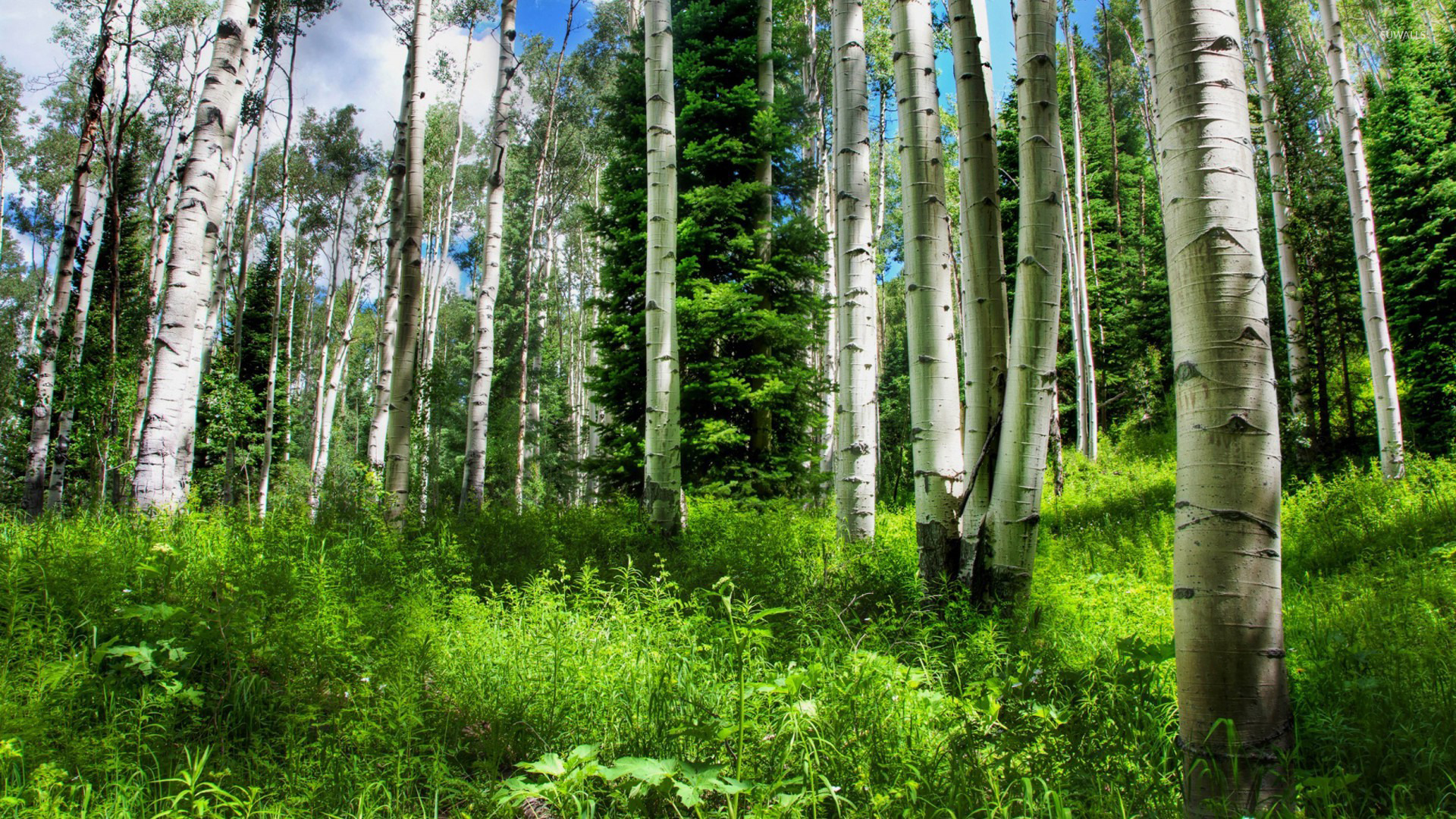
The colour forest green has become not only a favourite in the realms of design and aesthetics but also a symbol of environmental consciousness and sustainability. As environmental concerns grow globally, the significance of choosing eco-friendly options in fashion, home decor, and everyday life cannot be overstated. Forest green, reminiscent of the lush trees and nature itself, represents a movement towards reducing carbon footprints and promoting sustainable practices.
The Connection of Forest Green to Sustainability
In recent years, forest green has been embraced by various industries as a representation of ecological responsibility. Fashion brands are increasingly using organic and recycled materials, and many have adopted forest green into their collections to signal their commitment to sustainable practices. For instance, renowned brands are now producing clothing made from sustainable fabrics dyed in shades of forest green, seeking to resonate with consumers who are more environmentally aware.
Additionally, the interior design sector has seen a rise in the use of forest green tones as consumers aim to bring elements of nature indoors. Paint companies report an uptick in the selection of forest green hues for walls, plants, and furnishings as people attempt to create calming living spaces that reflect their values.
Events Highlighting the Movement
Several recent events have highlighted the importance of sustainability: the London Fashion Week showcased multiple designers who used forest green fabrics derived from sustainably sourced materials. Eco-friendly festivals and markets, such as the Green Man Festival, focus on initiatives that promote reforestation and conservation, often featuring businesses that align with the forest green ethos.
Conclusion
As our society continues to grapple with the challenges of climate change and environmental degradation, the colour forest green serves as a reminder of what we stand to lose and what we must protect. The growth of the eco-friendly movement is more than just a trend; it represents a shift in consumer behaviour towards sustainability. As we move into the future, it is anticipated that forest green will not only maintain its popularity in design but will also play a critical role in mobilising collective action towards a greener planet. Switching to sustainable options is crucial, as the choices we make today will pave the way for generations to come.