Introduction to Digital ID
In an increasingly digital world, the concept of digital ID has gained immense significance. As societies globally become more interconnected and reliant on technology, the need for secure and efficient identity verification processes has never been more crucial. Digital identities streamline interactions, facilitating everything from online banking to healthcare services. With data breaches and identity theft on the rise, a robust digital identification system is paramount for protecting both individuals and organisations.
Recent Developments in Digital ID
According to the latest reports, various countries are stepping up their efforts to implement comprehensive digital ID frameworks. For instance, in the United Kingdom, the government is prioritising the development of a digital identity verification system that would allow citizens to access services more conveniently while ensuring their personal data remains secure. Initiatives like the UK’s Digital Identity and Attributes Trust Framework aim to create trustworthy methods for citizens to prove their identity online.
Similarly, countries such as India have been at the forefront of digital identification, with its Aadhaar programme encompassing biometric data to offer residents a unique identity number. Recently, the use of such systems has expanded beyond government services and is now extending to private sectors, including financial institutions and telecommunications.
The Role of Technology in Digital ID
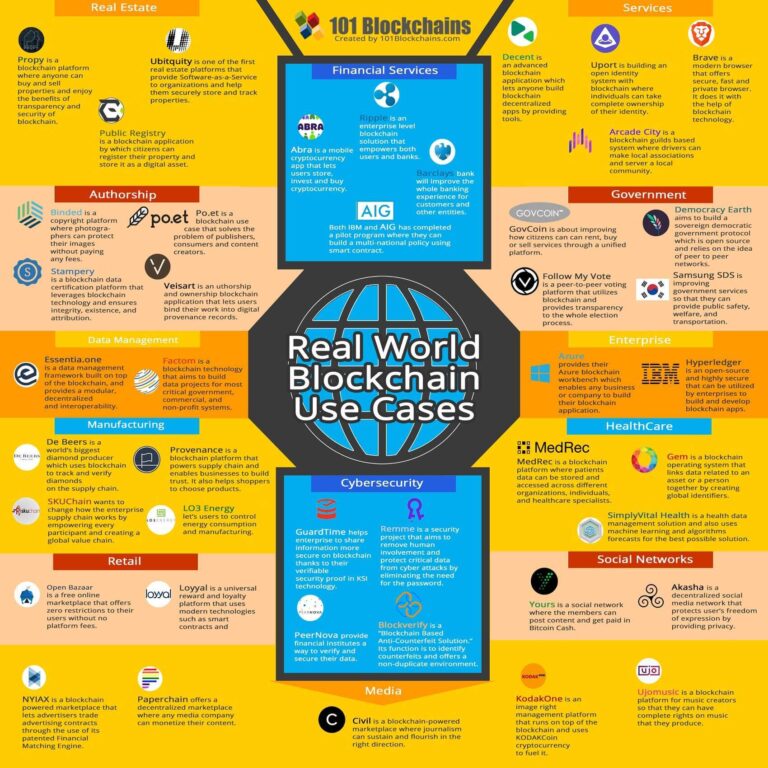
Technological advances in artificial intelligence and blockchain have also redefined how digital IDs are developed and used. AI can enhance identity verification processes, making them faster and more reliable, while blockchain technology presents opportunities for decentralised digital IDs that enhance user control over personal data. This evolution marks a significant shift in mitigating privacy concerns associated with centralised data storage systems.
Challenges to Implementation
Despite the myriad benefits, the implementation of digital ID systems is not without challenges. Privacy concerns remain a prominent issue, as many fear that digital IDs could lead to government overreach or misuse of personal data. Furthermore, ensuring equitable access and inclusivity in technology is crucial, as marginalised groups could be left behind if not adequately addressed during implementation phases.
Conclusion and Future Outlook
The concept of digital ID is poised to reshape how we interact with services and institutions, both public and private. As the digital landscape continues to evolve, so too must our approaches to identity verification. Governments, businesses, and tech developers must work collaboratively to create systems that are secure, user-friendly, and equitable. For individuals, understanding the nuances of digital identification will be essential as we navigate a future where digital IDs become commonplace.