Introduction
In recent years, plant-based diets have gained significant traction among consumers driven by health concerns, environmental issues, and ethical considerations regarding animal welfare. Among the leaders in this revolutionary movement is Beyond Meat, a company that has not only redefined meat alternatives but also sparked conversations around sustainability and dietary choices.
The Emergence of Beyond Meat
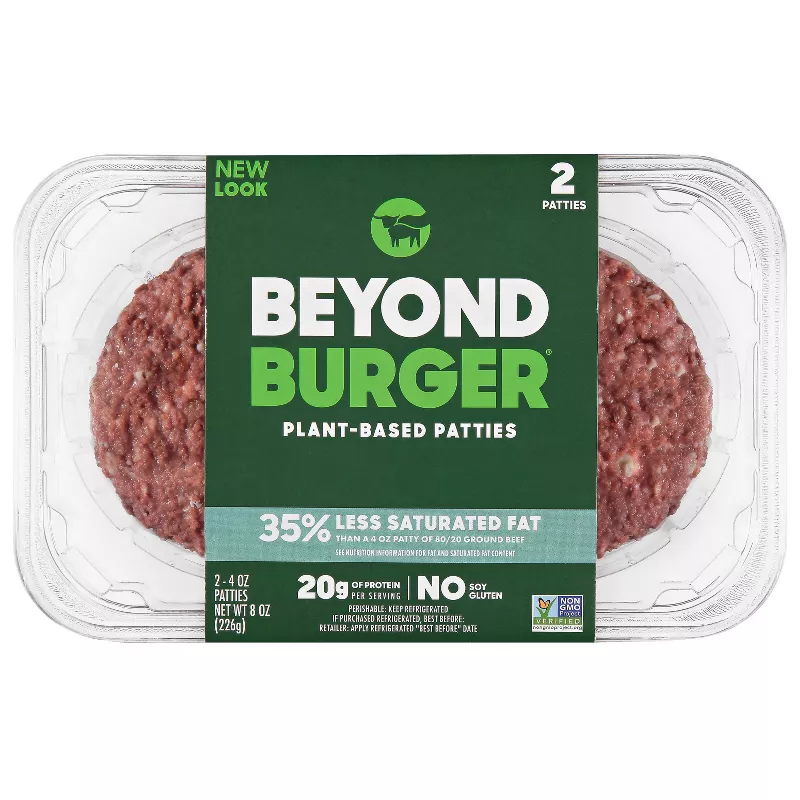
Founded in 2009, Beyond Meat has been at the forefront of creating plant-based proteins that mimic the taste and texture of traditional meat products. With its flagship products, such as the Beyond Burger and Beyond Sausage, the company aims to provide consumers with similar experiences without the associated health risks and environmental impact of livestock farming. In 2023, the company reported a 10% revenue increase compared to the previous year, highlighting its growing popularity.
Health and Sustainability Benefits
Research indicates that plant-based diets can lower the risk of chronic diseases, including heart disease and obesity. Beyond Meat’s products are lower in saturated fat and cholesterol compared to their animal-based counterparts, making them an appealing choice for health-conscious consumers. Furthermore, a study by the University of Michigan showed that producing a Beyond Burger uses 99% less water and generates 90% fewer greenhouse gas emissions than a traditional beef burger, marking a significant step towards reducing the carbon footprint of food production.
Challenges and Future Prospects
Despite its success, Beyond Meat faces challenges such as rising competition from other plant-based brands and fluctuating consumer preferences. In 2023, several competitors, including Impossible Foods and new startups, have intensified market competition, which may impact sales growth. Additionally, the need to maintain product quality while scaling up production remains a critical concern for the company. However, industry analysts project that the plant-based meat market will exceed $74 billion by 2027, suggesting that Beyond Meat is well-positioned for future growth.
Conclusion
Beyond Meat’s role in popularising plant-based diets showcases not only a shift in consumer preferences but also a potential solution to some pressing global issues related to health and climate change. As consumers continue to explore meat alternatives for various reasons, Beyond Meat stands as a key player paving the way for more sustainable eating habits. The ongoing evolution of this market will be vital to watch, as it possesses the potential to significantly reshape food production and consumption patterns in the years to come.



