Introduction
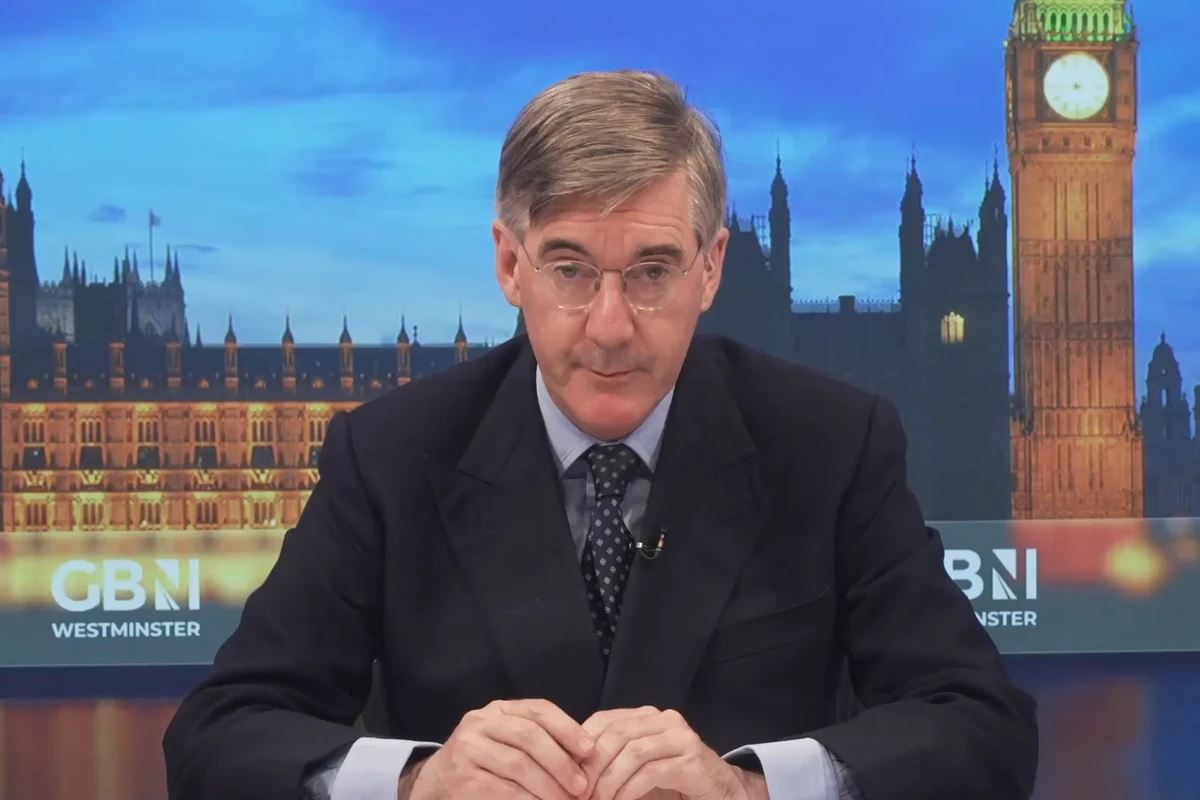
Jacob Rees-Mogg, a prominent member of the Conservative Party, has become a notable figure in UK politics over the past decade. His eloquence and traditional views appeal to a section of Conservative voters, while his opinions often spark controversy and debate. Understanding Rees-Mogg’s influence is crucial, especially as the UK navigates significant political challenges, including Brexit and economic recovery.
Political Background
Born on May 24, 1969, in Hammersmith, London, Jacob Rees-Mogg was educated at Eton College and went on to study at Trinity College, Oxford. He entered Parliament as the Member of Parliament for North East Somerset in 2010, quickly establishing himself as a leading voice within the party. His traditionalist stance and witty remarks have earned him the nickname ‘The Honourable Member for the 18th Century’.
Key Positions and Actions
Rees-Mogg served as Leader of the House of Commons from July 2019 to September 2021, where he was instrumental in navigating parliamentary procedures during the tumultuous Brexit process. He advocated for a hard Brexit, reflecting the views of many Conservative Party members who wanted a decisive break from the European Union. His outspoken support for the government during the pandemic, including responses to economic and health measures, has both garnered praise and drawn criticism from various sectors of the public.
Controversies
Rees-Mogg’s political career has not been without its challenges. His comments on issues such as workers’ rights, social policies, and historical perspectives have attracted significant backlash. For instance, his remarks regarding the Grenfell Tower fire in 2017, where he suggested that victims lacked common sense, resulted in public outrage and calls for his resignation. Despite the controversies, he remains a steadfast figure among his supporters, who appreciate his consistency and principled stance on conservative values.
Future Prospects
Looking ahead, Jacob Rees-Mogg’s role in UK politics may evolve significantly. Following the recent Conservative leadership challenges and changes in government strategy, many speculate about his potential future ambitions, including aspirations for more significant leadership roles within the party or even a future cabinet position. His ability to galvanize support will be tested as the party seeks to consolidate its base and appeal to a broader electorate in the face of mounting political pressure.
Conclusion
Jacob Rees-Mogg is undoubtedly a polarising figure in British politics. His unique blend of traditional conservatism and unabashed eloquence continues to draw attention. As the UK faces political and economic uncertainties, Rees-Mogg’s influence may very well shape the future of the Conservative Party and the country. Observing his developments in the coming years will be significant for anyone interested in the dynamics of British politics.