Introduction
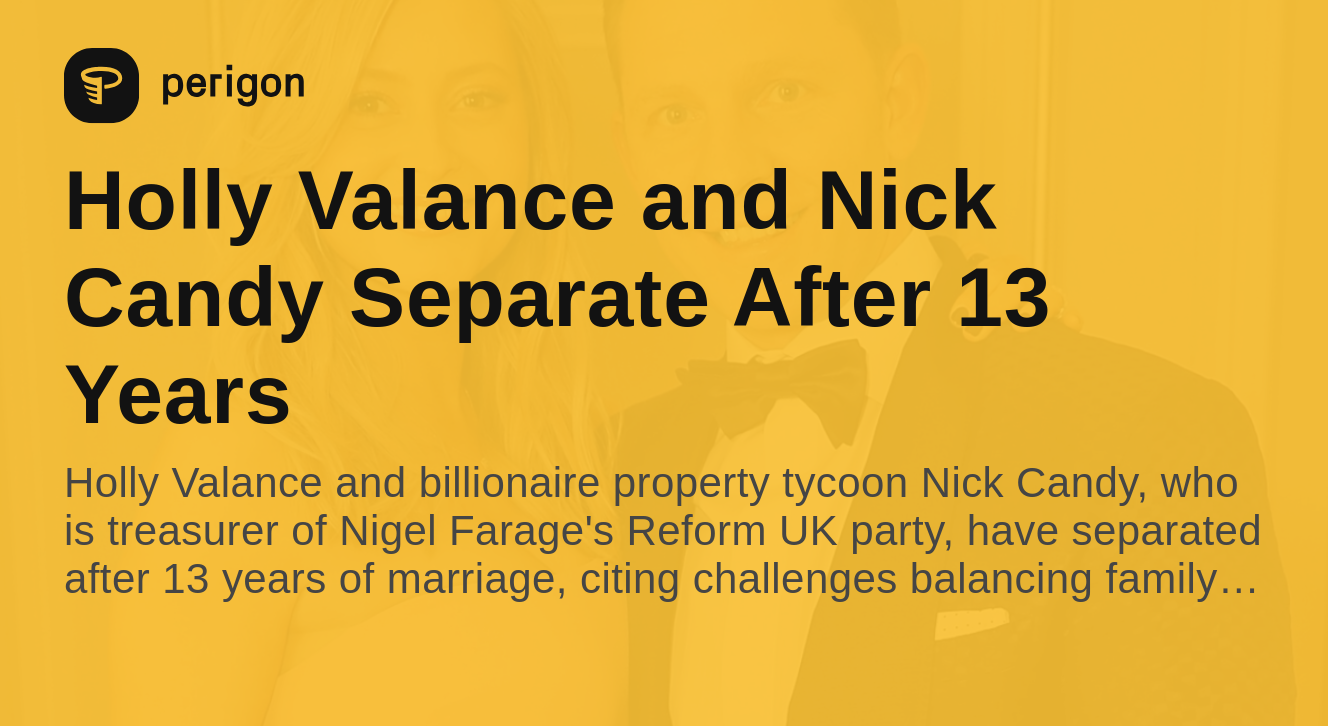
Nick Candy, a prominent British property developer and entrepreneur, has made significant waves in the real estate market over the past two decades. Known for his luxurious developments and keen business acumen, Candy’s influence extends beyond mere property transactions. As global real estate markets evolve, his ventures highlight innovative trends, aspirations, and the shifting landscape of high-end property development.
Background and Career Achievements
Born in 1973 and raised in Surrey, Nick Candy, along with his brother Christian, founded Candy & Candy in 1999. The company quickly gained recognition for developing prestigious residential properties in London and other lucrative locales. One of their landmark projects, the One Hyde Park, is a paragon of luxury living and has become synonymous with opulence and high prices, consistently attracting wealthy buyers from around the globe.
In recent years, Nick Candy has expanded his professional repertoire, engaging in various ambitious projects, including the redevelopment of historical buildings and luxury condominiums. His ventures have often been characterised by a meticulous attention to design, marrying the essence of contemporary architecture with classical elements to create properties that resonate with buyers.
Current Developments and Ventures
As of 2023, one of Candy’s notable projects is the renovation and development of the iconic Battersea Power Station in London, a project that aims to transform the area into a vibrant community while preserving its historic charm. Additionally, Candy has been involved in various investment opportunities abroad, particularly in Asia and the Middle East, where he seeks to tap into emerging markets while diversifying his portfolio.
Moreover, Candy has recently made headlines by launching a new company focusing on luxury lifestyle brands, which aims to fuse real estate with high-end retail experiences. This shift underscores his innovative approach to both property development and their commercial viability in an evolving market.
Conclusion
Nick Candy’s unwavering presence in real estate signifies more than just a success story; it reflects broader trends in luxury markets and consumer behaviours. As urbanisation continues and the demand for exceptional properties rises, Candy’s future ventures will likely remain at the forefront of the luxury real estate sector. For readers and potential investors, keeping an eye on his developments could yield significant insights into the ever-changing dynamics of high-end property, making them a noteworthy point of interest in the real estate landscape.



