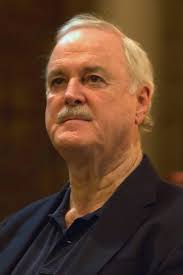
Introduction to Lee Mack
Lee Mack, born on 4th March 1970, in Southport, England, has established himself as one of the most recognisable names in British stand-up comedy and television. His unique style, characterised by quick-witted humour and a natural rapport with audiences, has made him a beloved figure in the entertainment industry. As the host of BBC’s ‘Would I Lie To You?’ and a cornerstone in shows like ‘Not Going Out’, Mack’s contributions to comedy are both significant and varied, making his work relevant in today’s cultural landscape.
The Comedy Career of Lee Mack
Lee Mack’s journey began in the early 1990s after he honed his craft in various comedy clubs across the UK. His breakthrough came with ‘The Lee Mack Show’, which showcased his unique comedic style and attracted a loyal following. Over the years, Mack’s talent has earned him numerous awards, including a prestigious BAFTA Television Award for Best Entertainment Performance.
‘Would I Lie To You?’ has been synonymous with Mack’s career since its inception in 2007, where his comedic charisma has led to many memorable moments on the show. In addition, his sitcom ‘Not Going Out’, which debuted in 2006, has become a staple of British television, garnering critical acclaim and a dedicated audience.
Recent Projects and Impact
In recent years, Lee Mack has continued to entertain and innovate. He appeared in the 2023 series of the much-loved ‘Would I Lie To You?’ maintaining his status as a key figure in British entertainment. Mack has also embraced social media, using platforms such as Twitter and Instagram to engage with fans and promote his work.
Moreover, Lee Mack has played a pivotal role in the resurgence of live stand-up comedy during the post-pandemic recovery, touring theatres and bringing laughter back to audiences across the UK. His comedic performances have had a revitalising impact on the industry, with many young comedians citing him as an inspiration.
Conclusion and Future Outlook
As of 2023, Lee Mack remains at the forefront of British comedy, showcasing that humour is a vital component of resilience in challenging times. His ability to connect with audiences, whether through live performances, television, or written work, speaks volumes about his understanding of contemporary society and its quirks.
Looking ahead, it is likely that Mack will continue to evolve as a performer. As he takes on new projects, both in television and live comedy, audiences can expect fresh content that reflects his observations of life and society. Lee Mack’s journey remains one of creativity and impact, ensuring that his influence on British comedy will resonate for years to come.