Introduction to Non-Fungible Tokens
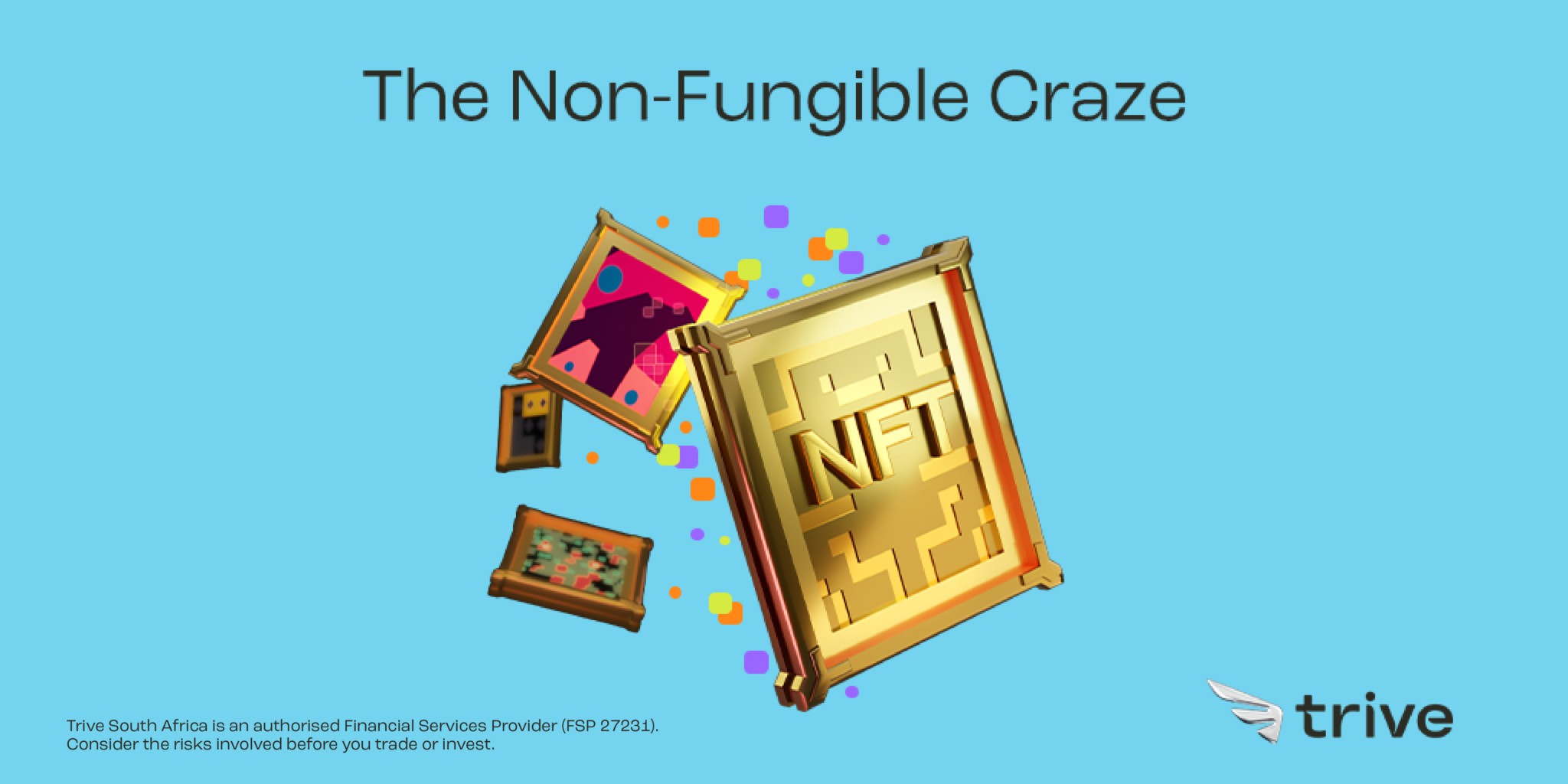
Non-fungible tokens (NFTs) have rapidly gained traction in the digital landscape, revolutionising how we perceive ownership and value. As unique digital assets represented on the blockchain, NFTs have made headlines across various industries, including art, music, gaming, and real estate. Their ability to provide verifiable ownership and authenticity has significant implications for creators and consumers alike, highlighting the transition towards digital assets in a progressively online society.
The Explosion of NFTs in 2021
The year 2021 marked a significant turning point for NFTs, with sales skyrocketing to over $10 billion in the third quarter alone, according to a report by DappRadar. High-profile sales, such as Beeple’s digital artwork that fetched $69 million at auction, captured global attention, illustrating their potential as valuable investments. This surge has led to a diverse marketplace filled with collections ranging from digital art to collectible card games.
Current Developments and Trends
Recent months have seen major brands and companies experimenting with NFTs to enhance customer engagement and brand loyalty. For instance, Nike and Adidas have started creating NFT-based merchandise and collectibles, allowing customers to own unique digital items associated with their favourite brands. Additionally, social media platforms like Twitter and Instagram are exploring ways to integrate NFT functionalities, opening new avenues for users to showcase their digital assets.
Challenges Facing NFTs
Despite their popularity, NFTs are not without challenges. Environmental concerns regarding the energy consumption of blockchain technologies have raised questions about sustainability. Furthermore, the market remains vulnerable to speculation, leading to price volatility and concerns about long-term value retention. Legal uncertainties regarding copyright and ownership in the NFT space also present potential obstacles for mainstream adoption.
Conclusion and Future Outlook
In conclusion, non-fungible tokens represent a groundbreaking evolution in the concept of ownership and digital assets. While the current landscape is filled with excitement and potential, it also harbours risks and challenges that must be navigated. As technology evolves and the regulatory landscape stabilises, NFTs may have a lasting impact on industries far beyond art and entertainment. For readers interested in investing or engaging with NFTs, understanding this dynamic environment will be crucial for informed decision-making.