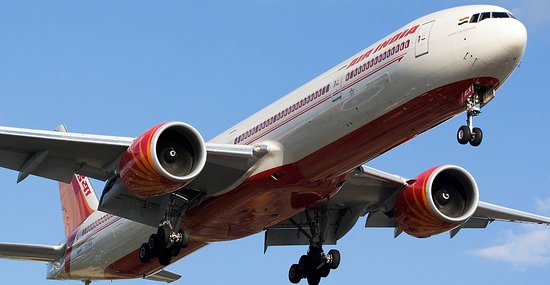
Introduction to Budget Airlines
In recent years, budget airlines have transformed the aviation industry, making air travel more affordable and accessible to millions. With ticket prices often significantly lower than traditional carriers, these airlines cater to a growing demand for economical travel options. In an era where personal finance and travel convenience are paramount, the rise of budget airlines has become a noteworthy phenomenon.
The Growth of Budget Airlines
Budget airlines, also known as low-cost carriers (LCCs), emerged in the United States in the 1970s and gained popularity in Europe during the 1990s. Iconic carriers like Ryanair and EasyJet paved the way, offering no-frills services such as a pay-per-service model, which includes charging for checked baggage, food, and even seat selection. According to the International Air Transport Association (IATA), these airlines accounted for over 30% of global air traffic as of 2022, a figure that is expected to rise further as they expand their routes.
Key Features of Budget Airlines
One of the distinctive features of budget airlines is their operational model. By flying to secondary airports, minimizing onboard services, and maintaining quick turnaround times, these airlines can significantly reduce operating costs. This translates to lower ticket prices for consumers. Additionally, advertising and ancillary services, such as car rentals and hotel bookings, contribute to their revenue streams. However, while budget airlines make travelling feasible for many, the trade-off often involves longer travel times and added fees for services that are typically included with traditional airlines.
Impact on the Travel Industry
The proliferation of budget airlines has reshaped the travel landscape. They incentivise competition among traditional carriers, which can lead to reduced fares and improved service for consumers. Moreover, the increase in affordable air travel has encouraged more people to explore destinations that were previously considered financially out of reach. A report from the UK Travel Association indicated that affordable travel options led to a 20% increase in short-haul trips across Europe since 2019, supporting local economies and tourism sectors.
Conclusion and Future Outlook
As travel habits continue to evolve post-pandemic, budget airlines are positioned to play a crucial role in the industry’s recovery. Experts predict that as more passengers seek out lower fares, budget airlines will likely expand their operations, particularly in markets that are currently underserved. However, they also face challenges such as rising fuel costs and potential regulatory changes that could affect their business model. For travellers, the surge of budget airlines represents not only a cost-saving opportunity but also an invitation to explore new horizons without breaking the bank.



