Introduction
Fantasy football has transformed from a niche hobby into a mainstream phenomenon, captivating millions of fans worldwide. This engaging blend of sports strategy and competition allows participants to create their own teams using real-life players, scoring points based on their performance in actual games. As the NFL season kicks off, the excitement around fantasy football continues to grow, making it a relevant topic for both football fans and casual viewers alike.
The Mechanics of Fantasy Football
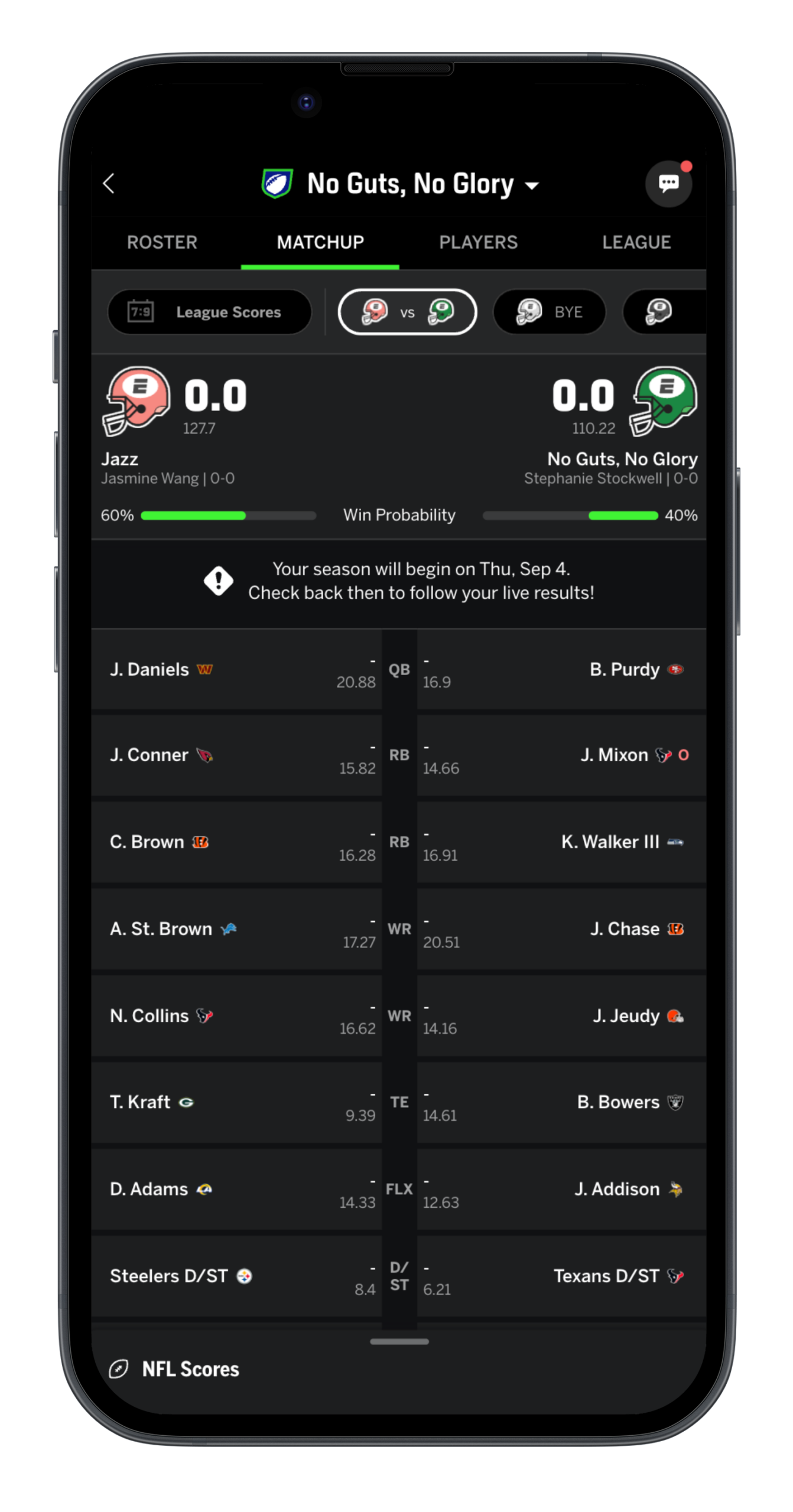
At its core, fantasy football involves players drafting a roster of athletes who compete in weekly matchups based on their performance in real NFL games. Participants earn points based on various statistics, such as touchdowns, yards gained, and receptions. Drafting strategies can vary significantly, with players researching player stats, injury reports, and even social media insights to construct the most formidable team possible.
Leagues typically consist of 8-16 teams, with owners managing their rosters throughout the season. They must make critical decisions such as starting lineups, trades, and waiver wire pickups, adding to the thrill and challenge of the game. Numerous platforms and apps facilitate these leagues, offering league management tools and real-time updates, making it more accessible for users regardless of their experience level.
Current Trends and Popularity
The popularity of fantasy football has surged, with an estimated 60 million people participating in North America alone. Major sports networks, such as ESPN and Yahoo, have reported record usage of their fantasy platforms. Recent trends also show an increase in daily fantasy sports (DFS), where players can compete in short-term leagues, allowing for more flexibility and quicker gratification than traditional season-long formats.
As the NFL continues to expand its global reach, fantasy football is increasingly becoming a part of your average sports fan’s experience internationally. Additionally, social media has fostered a vibrant community where enthusiasts share tips, strategies, and engage in lively discussions, further cementing fantasy football’s place in modern sports culture.
Conclusion
As we enter yet another NFL season, the excitement surrounding fantasy football is palpable. It encourages friendly competition, fosters a deeper connection to the game of football, and ultimately enhances the viewing experience for fans. With the rise of technology and the fluidity of modern sports consumption, fantasy football is likely to evolve, attracting even more participants and strengthening its significance in the realm of sports entertainment. Whether you are a seasoned veteran or a newcomer to the game, the league invites everyone to get involved and experience the thrill of drafting that perfect team.