Introduction
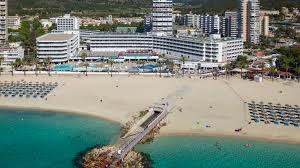
Magaluf, a renowned resort town situated on the southern coast of Mallorca, Spain, has long been a quintessential destination for summer holidaymakers. After facing substantial challenges during the pandemic, the town is now witnessing a significant resurgence in tourism, showcasing the resilience of the hospitality sector. This revival is not only relevant to local businesses but also highlights broader trends in post-pandemic travel preferences.
The Impact of COVID-19 on Magaluf
During the height of the COVID-19 pandemic, Magaluf, like many other tourist destinations, experienced a downturn in visitor numbers. International travel restrictions and health concerns led to a dramatic drop in business for hotels, restaurants, and leisure facilities in the area. In response to this crisis, local authorities and business owners recalibrated their services and marketing strategies to attract the domestic market, while ensuring health and safety protocols were in place.
2023: A Year of Renewal
As of 2023, Magaluf is bouncing back and recording impressive tourist footfall. Recent reports indicate that bookings for this summer have surged by over 40% compared to the previous year, with many hotels operating at near-full capacity. The return of major international flight routes to Mallorca, alongside a renewed focus on safety and hygiene, has played a crucial role in luring back visitors from the UK, Germany, and Nordic countries.
Furthermore, the local government has implemented various initiatives to extend the tourist season and diversify the offering beyond nightlife. This strategic pivot has given room to promote alternative activities such as family-friendly events, cultural tours, and wellness retreats. The emergence of eco-tourism and adventure sports has also piqued the interest of a more health-conscious demographic.
Community and Environmental Focus
Amidst this resurgence, there has been a notable shift towards sustainability and community engagement in Magaluf. Local businesses are increasingly turning towards sustainable practices, including waste reduction initiatives and partnerships with local producers to support the economy. Residents have been actively involved in discussions regarding the preservation of the town’s natural beauty and cultural heritage, ensuring that Magaluf develops in a manner that benefits both visitors and locals alike.
Conclusion
The revival of Magaluf is a testament to the resilience of tourism in face of unprecedented challenges. As the season progresses, the town is set to continue thriving as a dynamic destination. With trends leaning towards sustainable and responsible tourism, both visitors and residents can look forward to a vibrant and engaging environment. For potential visitors, Magaluf is more than just a party hotspot; it is becoming an inclusive and diverse holiday destination catering to a wide array of interests.



