Introduction
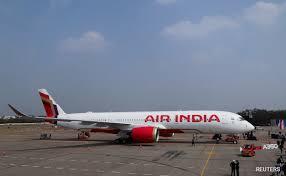
Air India, the flagship carrier of India, has recently been in the limelight due to its ambitious transformation plans and strategic growth initiatives. As one of the oldest airlines in Asia, established in 1932, Air India plays a crucial role in connecting India to the world. The relevance of Air India’s resurgence in the global aviation market has become a point of interest for aviation enthusiasts and travellers, especially following its privatisation in late 2021.
Recent Developments
In 2021, Tata Sons, the holding company of the Tata Group, regained ownership of Air India, marking a significant shift in the airline’s operations and future direction. Since the takeover, the new management has announced various initiatives aimed at revitalising the brand, which include modernising the fleet, enhancing customer service, and expanding international routes.
One of the most notable changes has been the acquisition of new aircraft. In 2023, Air India placed a massive order for 470 aircraft from both Boeing and Airbus, the largest in aviation history. This move is expected to not only upgrade its aging fleet but also align its services with global standards, potentially drawing back the customers lost over the years due to service issues and outdated technology.
Furthermore, the airline is investing in digital transformations aimed at improving the customer experience, including an enhanced mobile application and revamped booking systems. With a focus on social media engagement, Air India aims to reconnect with younger travellers, ensuring its brand resonates in a competitive landscape.
Challenges Ahead
Despite these positive changes, Air India faces numerous challenges. The Indian aviation market is increasingly competitive, with the presence of low-cost carriers and other international airlines. Additionally, improving operational efficiency while maintaining profitability will be crucial as public expectations rise.
Labour relations also pose a challenge, as unions demand assurances on job security and improved work conditions amidst this transformational period. Balancing these demands with the need for a more streamlined and effective workforce is essential for the airline’s long-term success.
Conclusion
The journey of Air India under the Tata Group marks an exciting chapter for one of the world’s oldest airlines as it embarks on a renaissance in the aviation sector. With ambitious plans for fleet expansion, service enhancement, and digital transformation, Air India aims to reclaim its position as a leading global airline. The coming years will be pivotal in determining whether Air India’s revival strategy can sufficiently overcome the challenges faced and re-establish the airline’s reputation as a premium travel choice. As the airline continues its journey of transformation, it will be fascinating to see how it navigates through these complex dynamics and reshapes its legacy.



