The Evolution and Relevance of Fascism
Fascism, a political ideology that emerged in the early 20th century, is characterised by dictatorial power, extreme nationalism, and the suppression of political opposition. With the growing complexities of today’s geopolitical landscape, understanding fascism has become increasingly essential. Recently, various countries have witnessed a rise in far-right political movements, often rooted in fascist ideologies, prompting scholars and citizens alike to consider the implications of this shift.
Current Events Highlighting Fascism’s Prevalence
Over the past few years, there has been a noticeable uptick in the popularity of far-right political parties across Europe and even the United States. In nations such as Italy and Hungary, leaders have adopted policies that echo historical fascist principles, promoting xenophobia and undermining democratic institutions. In Italy, the election of a far-right government has raised concerns about potential erosions of political freedoms, reminiscent of earlier periods in history.
The Influence of Social Media and Misinformation
Social media platforms have played a crucial role in the propagation of fascist ideologies. The rapid spread of misinformation enables extremist opinions to gain traction, leading to polarisation within societies. The events of the January 6 Capitol riots in the USA served as a stark reminder of how extremist ideologies can incite violence and provoke political chaos. These developments illustrate the dangers of a resurgence in fascist thinking, particularly when combined with technological advancements that amplify divisive rhetoric.
Implications for Society and Future Outlook
The rise of fascism poses significant questions regarding the safeguarding of democratic freedoms. Political analysts warn that as economic instability and social disenfranchisement grow, so too will the allure of authoritarian solutions. As governments and societies grapple with these challenges, the need for historical awareness and civic education becomes paramount.
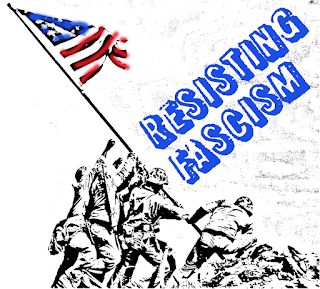
Moreover, grassroots movements and community organisations are stepping up to counteract these tendencies by promoting awareness and fostering inclusivity. The fight against fascism is not solely a political battle; it encompasses cultural, social, and educational dimensions.
Conclusion
In conclusion, the resurgence of fascism in contemporary politics signals a pressing need for vigilance and action. For individuals, staying informed and engaged with political processes can mitigate the risks posed by extremist ideologies. As we strive for more equitable societies, understanding the roots and current manifestations of fascism will remain a critical part of safeguarding democracy for future generations.