Introduction
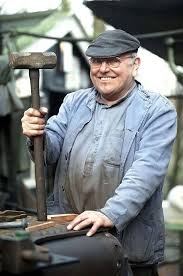
Fred Dibnah, born on April 28, 1938, in Bolton, England, is celebrated not only for his exceptional skills as a steeplejack and engineer but also for his profound influence on the heritage steam engineering movement. With a passion for Britain’s industrial past, Dibnah’s work has educated and inspired generations about the importance of preserving historical engineering and craftsmanship.
Career Highlights
Dibnah’s career began as an apprentice in the construction industry, but his love for steam engines quickly took centre stage. He became renowned for his ability to restore and maintain various steam-powered machinery, including traction engines, steam locomotives, and industrial boilers. His craftsmanship caught the attention of television producers, leading to several successful documentary series, including “Fred Dibnah’s Industrial Age” and “Fred Dibnah: The Last of the Steeplejacks.” In these programmes, he shared his knowledge and passion, attracting a broad audience and elevating public interest in steam engineering.
Impact on Heritage Engineering
Fred Dibnah’s contribution to the preservation of steam heritage remains significant. He advocated for the importance of restoring historical engineering marvels, sparking a revival in interest among enthusiasts and collectors. His legacy is evident in the various steam fairs, museums, and preservation societies that continue to operate in the UK, propagating his ethos of maintaining and celebrating steam-powered innovation.
Legacy and Recognition
Dibnah’s talents and uniqueness garnered him recognition beyond television. He received numerous accolades and awards for his dedication to folk engineering, including being made a Fellow of the Association for Industrial Archaeology. Even after his passing on November 6, 2004, his influence persists, inspiring documentaries and programmes that showcase similar interests in engineering and craftsmanship.
Conclusion
The legacy of Fred Dibnah is defined not only by his skills and knowledge in steam engineering but also by his ability to engage and inform the public about the significance of industrial heritage. As interest in steam technology continues to thrive, enthusiasts and new generations will undoubtedly keep his spirit alive, ensuring that Dibnah’s contributions to the field will be remembered and celebrated for years to come. By cherishing the past, Fred Dibnah encourages us to appreciate the artistry and ingenuity of our industrial heritage.