Introduction
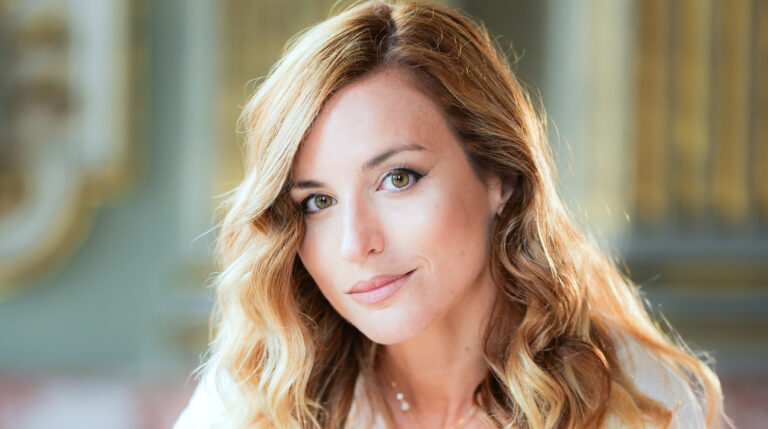
Louise Alder, a talented soprano hailing from the UK, has been making significant strides in the classical music world. Her unique voice and dynamic stage presence have earned her critical acclaim, establishing her as one of the most promising artists of her generation. As classical music finds new ways to connect with contemporary audiences, artists like Alder are playing a key role in its evolution.
Career Highlights
From early beginnings in Oxford, where Alder was born in 1988, she has showcased her musical prowess at prestigious institutions, most notably at the Royal Academy of Music. Her remarkable talents led to various accolades, including the Richard Lewis/John Fiorito Award and first prize at the prestigious Kathleen Ferrier Awards in 2015.
Alder’s career began to take off when she performed at the Glyndebourne Festival Opera, quickly becoming renowned for her portrayals in operatic roles such as the Queen of the Night in Mozart’s ‘Die Zauberflöte’. Her interpretation of this challenging role was met with enthusiasm, putting her firmly on the map in the opera world.
Recent Achievements
Recently, Louise Alder has continued to impress both critics and audiences alike. In 2023, she made her debut at the Covent Garden’s Royal Opera House, receiving rave reviews for her performance in ‘La Traviata’. Critics noted her ability to convey deep emotion and her technical precision, which she has honed over years of dedicated training.
Additionally, Alder’s performances extend beyond opera; she has been actively involved in concert performances and recitals across Europe, showcasing not only her operatic skills but also her extraordinary range in classical art songs. Her commitment to expanding her repertoire demonstrates a versatility that appeals to a wide audience.
Significance and Future Outlook
As classical music continues to evolve, artists like Louise Alder are crucial in bringing the genre to new audiences. Her blend of traditional and contemporary performance styles resonates with younger generations, fostering a renewed interest in classical music. Furthermore, Alder’s active engagement with social media has enabled her to reach fans globally, providing insights into her creative process and behind-the-scenes glimpses of her performances.
The future looks bright for Louise Alder, with upcoming performances scheduled across major venues in Europe and an increasing number of collaborations with well-known orchestras. As she continues to push the boundaries of classical music, audiences can expect to see her at the forefront of the genre’s revival in the 21st century.
Conclusion
Louise Alder stands as a testament to the power of dedication and artistry in the classical music scene. Her journey inspires aspiring musicians and reminds us of the ever-relevant nature of classical music in a rapidly changing world. Her contributions will likely shape the future landscape of the genre, solidifying her place among the greats.