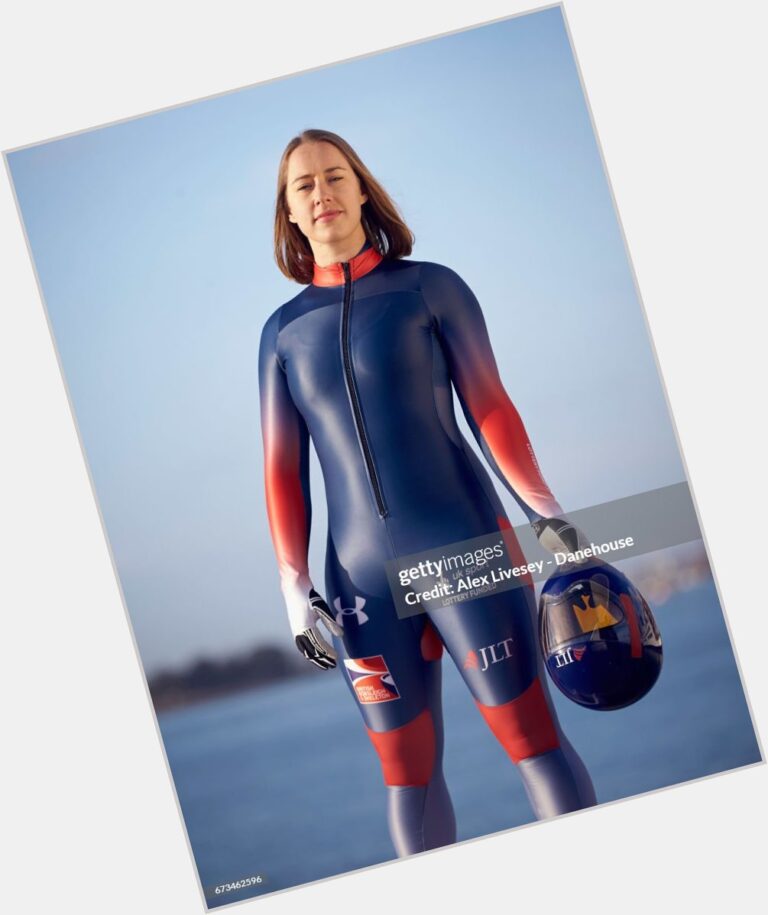
Introduction
Lizzie Yarnold, an iconic figure in British winter sports, has made a significant impact in the world of skeleton racing. As one of the most successful British athletes in her sport, her accomplishments reflect not only her talent but also the dedication and perseverance required to excel at such a high level. With the Winter Olympics drawing closer, Yarnold’s legacy in the sport continues to inspire a new generation of athletes.
Career Highlights
Lizzie Yarnold was born on April 31, 1988, in Penarth, Wales. She began her sporting journey in athletics before being drawn to the thrill of skeleton racing. Yarnold’s career kicked off competitively in 2010, and she quickly rose through the ranks. Her most notable achievements came during the 2014 Winter Olympics in Sochi, where she secured the gold medal in skeleton, becoming the first British woman ever to do so in this event. She followed this success with another gold medal at the 2018 Winter Olympics in Pyeongchang.
Her accolades extend beyond the Olympics; she has also won multiple World Championships, highlighting her dominance in the sport. Yarnold has been a prominent advocate for female participation in winter sports, where women often face significant challenges due to a lack of visibility and support.
Recent Developments
As of 2023, Lizzie Yarnold continues to be involved in the sports community, mentoring young athletes and promoting winter sports across the UK. Her recent appearances at sporting events and engagements with youth programmes reflect her commitment to nurturing the next generation of talent. Furthermore, her advocacy for mental health awareness in sports has been impactful, drawing on her experiences to support others facing challenges in elite athletics.
Conclusion
Lizzie Yarnold’s journey is a testament to what can be achieved through determination, hard work, and passion. As she continues to inspire through mentorship and advocacy, her legacy in the realm of winter sports is sure to endure. The significance of her contributions not only lies in her medals but also in how she has championed women’s sports and mental health awareness, paving the way for future athletes to succeed. As preparations for the next Winter Olympics intensify, Yarnold’s influence on the sport and its athletes will undoubtedly play a vital role in shaping the future of competitive skeleton racing.