Introduction
Abdelhak Nouri, a former Dutch professional footballer, rose quickly through the ranks at Ajax, showcasing immense talent as a midfielder. However, his life took an unexpected turn in 2017, when he suffered a cardiac arrest during a pre-season match, leading to a serious brain injury. Nouri’s story is not only a poignant reminder of the fragility of life but also highlights the importance of medical preparedness in sports. His journey since that fateful day has inspired many and raised awareness about the need for better health protocols in athletic environments.
The Incident and Aftermath
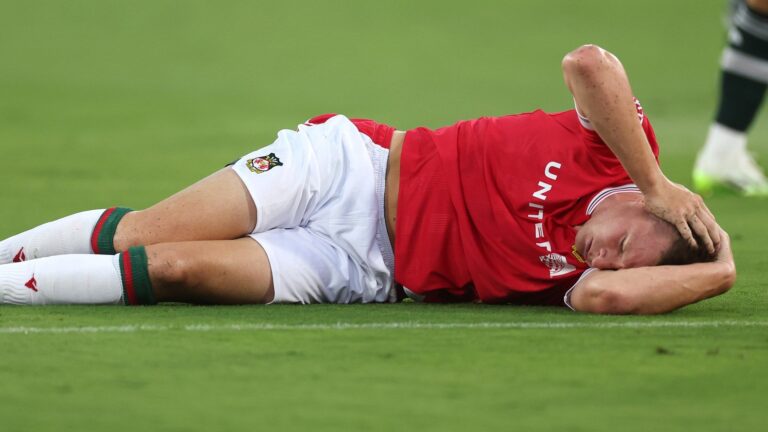
On July 8, 2017, while playing against Werder Bremen in a friendly match in Austria, Nouri collapsed on the pitch. Despite immediate medical attention, he was later diagnosed with permanent brain damage due to oxygen deprivation. The incident shocked the football world and raised pressing questions about player safety and emergency response standards. Ajax and the wider sporting community faced scrutiny regarding their health protocols, prompting discussions about necessary reforms.
Support from the Football Community
Since the incident, Nouri has received extensive support from the football community. Several benefits and fundraising events were organised to provide financial assistance for his medical needs. Ajax Amsterdam, NATO, and various players have rallied for Nouri, ensuring that his family receives the necessary help. Nouri’s case has also increased awareness of the importance of CPR training and the availability of defibrillators in sports facilities, with many clubs reassessing their emergency protocols.
The Road to Recovery
Abdelhak’s family has been open about his recovery journey. Despite the profound physical and cognitive challenges he faces, the Nouri family remains hopeful and is dedicated to providing him with the best care possible. Regular updates from his family on social media have allowed fans and supporters to stay connected with his progress. His brother, Abderrahim Nouri, has actively shared emotional milestones, celebrating small victories within his brother’s rehabilitation process.
Conclusion
Abdelhak Nouri’s story is one of resilience and courage. While his football career took an abrupt end, his influence continues to resonate within the sport. His case has sparked essential conversations about health and safety in athletics, leading to improved emergency preparedness across clubs. As supporters stand by him through his recovery, Nouri serves as a reminder of the human spirit’s strength and the collective responsibility of ensuring athlete well-being. His legacy, although altered, will undoubtedly inspire future generations in sports.