Introduction
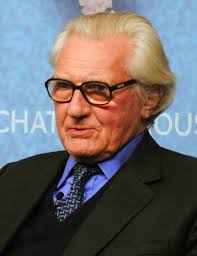
Michael Heseltine, the former Deputy Prime Minister of the United Kingdom, has played a pivotal role in shaping modern British politics. Having served at the heart of government during the tumultuous years of the late 20th century, Heseltine’s influence extends across various domains including economic policy, urban regeneration, and the European integration debate. His perspectives and actions continue to resonate in contemporary political discussions, marking his significance not only as a politician but also as a statesman.
Political Career and Contributions
Born on March 21, 1933, in Swansea, Wales, Heseltine began his career in public service as a Conservative politician in the early 1960s. He became a prominent member of Margaret Thatcher’s cabinet, serving in multiple high-profile roles including Minister of Defence and Secretary of State for the Environment. His tenure during the late 1970s and 1980s was marked by significant events, such as the introduction of substantial economic reforms and the drive for urban renewal in cities across the UK.
One of Heseltine’s most notable contributions was his role in the regeneration of the Liverpool city centre during the 1980s, which saw the revitalisation of the city after years of economic decline. Heseltine often advocated for a more interventionist approach to economic policy, contrasting with the more laissez-faire attitudes of his contemporaries. This became evident as he promoted infrastructure projects and local economic development initiatives.
Debate on European Integration
In the wake of Brexit, Michael Heseltine has been vocally critical of the decision to leave the European Union, warning about the potential economic and social repercussions. He has actively campaigned for a second referendum, arguing that the original vote did not adequately consider the complexities involved. His commitment to European integration and the benefits it brings to the UK has positioned him as a leading figure in the pro-EU movement, a stance that reflects his belief in collaboration and collective progress.
Conclusion
Michael Heseltine’s extensive political career has left a lasting imprint on British governance. Through his advocacy for urban regeneration and his ongoing commitment to European unity, he exemplifies the enduring influence of seasoned politicians in current affairs. As Brexit unfolds and its implications become clearer, Heseltine’s insights will likely remain relevant in informing discussions about the future direction of the UK. His legacy serves as a reminder of the importance of leadership in navigating the complexities of national and international challenges.