Introduction
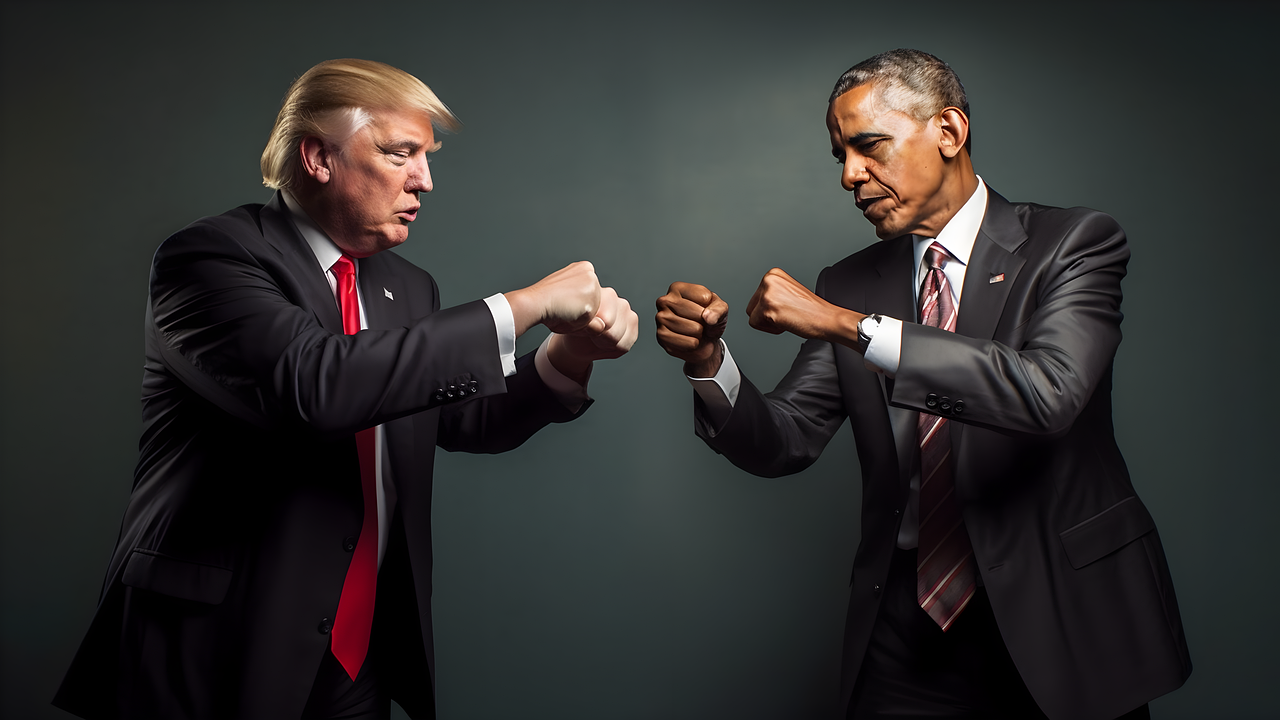
The political landscapes of former Presidents Donald Trump and Barack Obama continue to shape American discourse as their respective legacies influence the current political climate. Understanding the contrasting approaches and policies of these two leaders is essential for grasping the ideological divides that characterise contemporary politics in the United States.
Differences in Governance
Barack Obama, who served from 2009 to 2017, is often credited with a message of hope and change, implementing significant reforms like the Affordable Care Act, which aimed to expand healthcare access. In contrast, Donald Trump’s presidency from 2017 to 2021 was marked by a different philosophy, focusing on ‘America First’ policies. His administration prioritised tax cuts, deregulation, and a contentious immigration policy that included the infamous travel ban.
Foreign Policy Approaches
The foreign policies of Trump and Obama also highlight their differences. Obama advocated for diplomacy, exemplified by the Iran nuclear deal and a pivot to Asia that redefined America’s engagement with China. Trump, on the other hand, embraced a more confrontational stance, withdrawing from the Paris Agreement and the Iran deal, while also engaging in high-profile summits with North Korea’s Kim Jong-un.
Public Perception and Legacy
Public perception of both presidents varies greatly, shaped by their policies and the partisan divides in the media. Obama remains a popular figure among Democrats, with a legacy intertwined with civil rights advancements and economic recovery post-2008 recession. Trump has a fervent base of support within the Republican Party, often celebrated for appointing conservative judges and his unfiltered approach to politics, though he faces significant criticism related to his handling of social issues and the Capitol riot on January 6, 2021.
Conclusion
The ongoing debates surrounding the legacies of Trump and Obama reflect the broader ideological dichotomies evident in the United States today. As political tensions remain high, the impacts of their presidencies will continue to unfold, influencing future elections and party dynamics. Understanding their distinct approaches can provide insight into the challenges and opportunities that lie ahead for the American political landscape.