Introduction
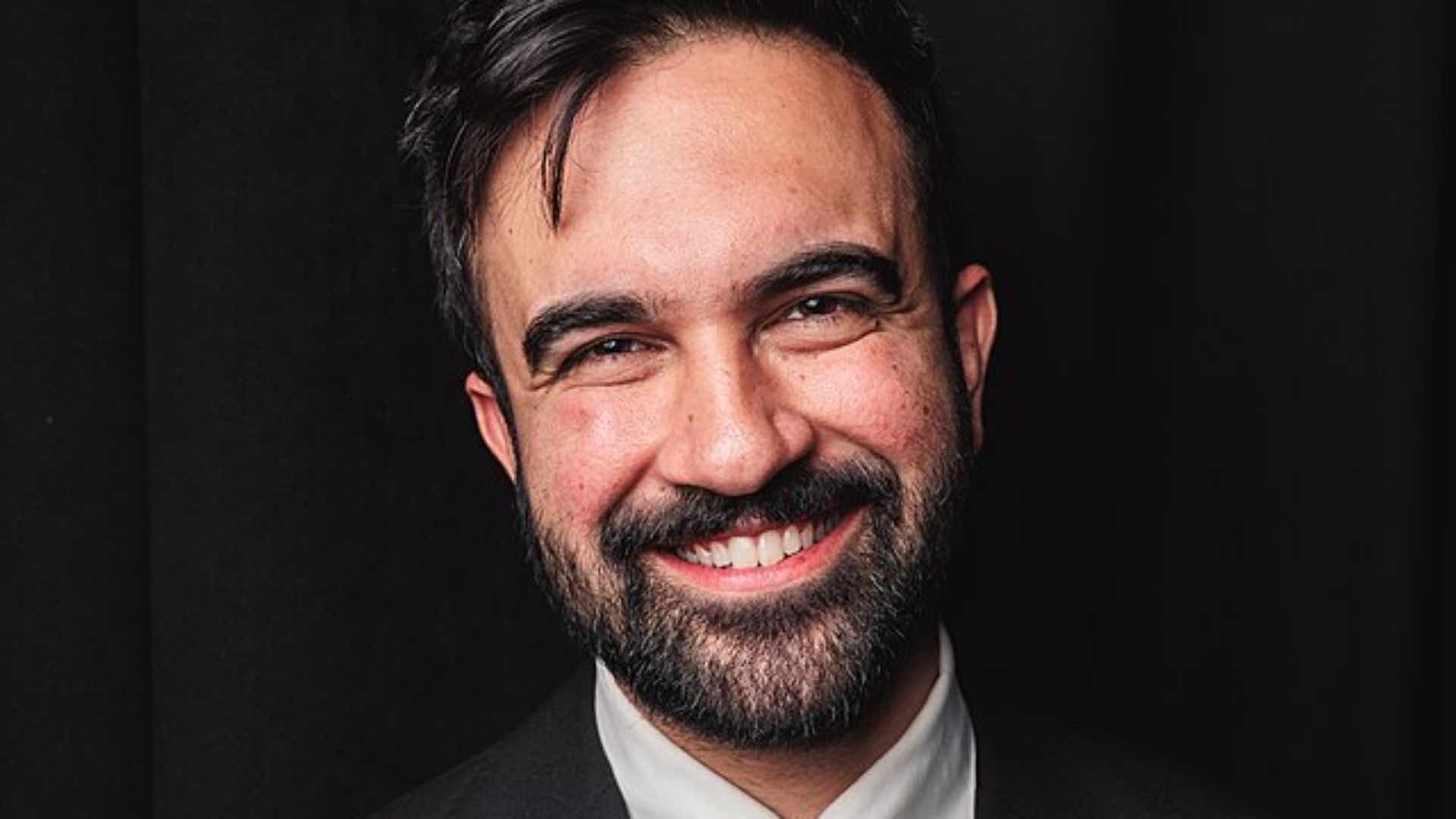
Zohran Mamdani, a notable figure in contemporary politics, has emerged as a significant voice in New York’s political landscape. His leadership and advocacy on crucial social issues resonate with a generation seeking change. Understanding his role and vision is increasingly important for voters, particularly as political dynamics in the United States continue to evolve.
Biography and Political Background
Born to a family with notable political and cultural heritage, Zohran Mamdani has always been driven by a strong sense of justice and social equity. He is a member of the New York State Assembly, representing the 36th district, which covers parts of Queens. Coming into the public eye through progressive initiatives, Mamdani is a member of the Democratic Socialists of America (DSA) and aligns himself with transformational policies aimed at addressing systemic issues such as housing inequality and racial justice.
Recent Achievements
In recent months, Mamdani has garnered attention for his staunch advocacy for affordable housing in New York. His legislative efforts include pushing for rent control measures and tenant protections, aimed at safeguarding the rights of vulnerable populations. He has also been vocal about healthcare reform, advancing proposals that would expand access to services for underserved communities. These initiatives have solidified his reputation as a fierce advocate for progressive change.
Challenges and Future Outlook
Despite his growing popularity, Mamdani faces significant challenges, particularly from more conservative factions resistant to his progressive agenda. Upcoming elections will test his ability to further his legislative goals while engaging a broader spectrum of voters. With mounting pressures from constituents craving immediate solutions to pressing issues, his focus will likely remain on mobilizing grassroots support and leveraging community engagement strategies.
Conclusion
Zohran Mamdani stands at the crossroads of change in New York politics, embodying the aspirations of many young voters looking for genuine representation. As he navigates his role amid inherent challenges, his success or failure will have implications not only for his district but also for the broader landscape of progressive politics in America. For readers, Mamdani’s journey illustrates the potential impact young leaders can have in shaping policy for future generations.