Introduction
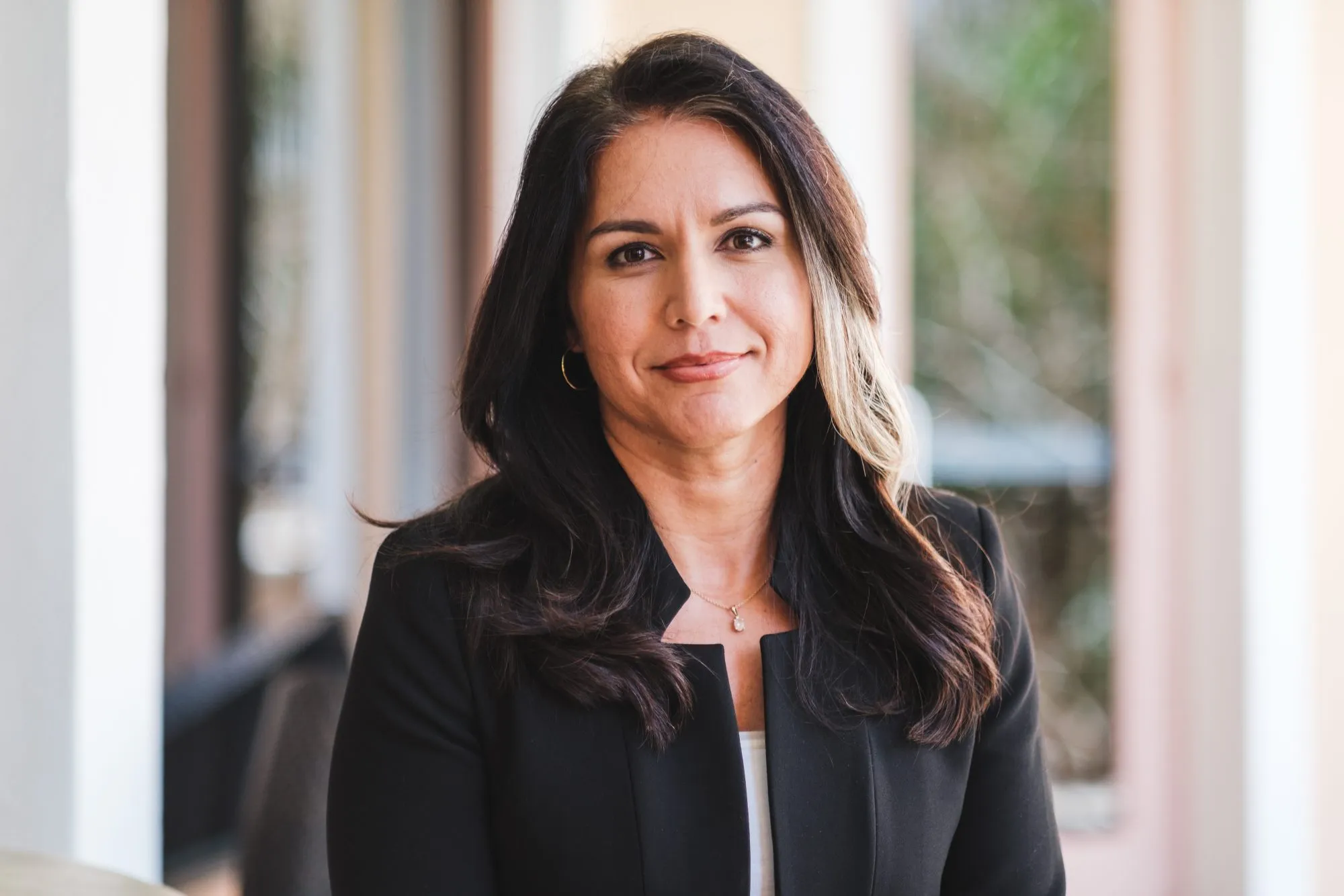
Tulsi Gabbard, a prominent political figure and veteran, has played a significant role in shaping discussions around foreign policy and domestic issues in America. As the first Hindu elected to the U.S. Congress and a veteran of the Iraq War, her multifaceted background continues to influence her political narrative. Gabbard’s journey is essential for understanding the dynamics of modern American politics and the emerging trends within the Democratic Party.
Political Career and Presidential Campaign
Gabbard began her political career in 2002 when she was elected to the Hawaii House of Representatives. She gained national recognition when she became the Democratic National Committee’s Vice Chair in 2016; however, she resigned from this position to endorse Bernie Sanders during his presidential campaign. In 2019, Gabbard launched her own bid for the presidency, promoting a platform focused on anti-interventionism, climate change, and social justice. She distinguished herself within a crowded field of candidates, advocating for reducing military conflict and promoting diplomacy.
Recent Developments and Views
Since her presidential run, Tulsi Gabbard has continued to engage in political discourse, often addressing foreign policy issues, civil liberties, and the need for bipartisan cooperation. Recently, she has been vocal about her concerns regarding U.S. aid to Ukraine amidst the ongoing conflict with Russia, arguing for a more strategic and less interventionist approach. Her views have often placed her at odds with mainstream Democratic positions, drawing both praise and criticism.
Conclusion
As Gabbard navigates her post-presidential campaign career, her influence remains evident in discussions around America’s role on the world stage. Her unique perspectives challenge traditional Democratic norms and resonate with a segment of voters seeking alternatives to current political narratives. Moving forward, it will be crucial to watch how Gabbard’s ideas will shape not only her future endeavors but also the broader landscape of American politics and foreign policy debate.