Introduction
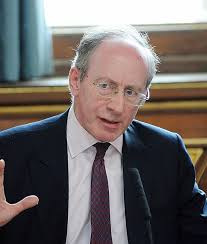
Malcolm Rifkind, a prominent figure in UK politics, has had a significant impact on the country’s political landscape over the decades. Understanding his contributions and the evolution of his political career is crucial for comprehending the historical and contemporary implications of governance in the UK. From his roles in various governmental positions to his influence in international affairs, Rifkind’s legacy serves as a window into British politics.
Early Career and Rise to Prominence
Born on 21st June 1946 in Edinburgh, Malcolm Rifkind’s political career took off in 1974 when he was elected as the Conservative Member of Parliament (MP) for Edinburgh Pentlands. He quickly gained recognition within the party and served in various capacities, including as Minister of State for Defence and Minister of Transport. His adeptness at navigating complex political landscapes earned him respect among his peers, paving the way for his later appointments.
Key Positions and Contributions
Rifkind reached a zenith in his political career when he served as the Secretary of State for Defence from 1992 to 1995 under Prime Minister John Major. During this period, he was involved in critical decisions regarding Britain’s military engagements. Additionally, his tenure as Foreign Secretary from 1995 to 1997 was marked by efforts to enhance the UK’s diplomatic relations worldwide, particularly in post-Cold War Europe. He advocated for British interests in NATO and played a central role in shaping foreign policy during a tumultuous time.
Legacy and Impact
Even after leaving frontline politics, Malcolm Rifkind remained an influential voice. His views on international relations and security have been sought after, especially regarding terrorism, Europe, and foreign policy. In 2015, he was appointed chairman of the Intelligence and Security Committee of Parliament, underscoring his continuing relevance in UK governance. Furthermore, he has contributed to various think tanks and boards, sharing his extensive experience with both current leaders and the wider public.
Conclusion
Malcolm Rifkind’s political journey reflects the evolving nature of Britain itself, traversing through various critical phases of the late 20th century and early 21st century. His contributions to the UK’s military and foreign policy continue to be significant, and the lessons learned from his career can offer valuable insights for future policymakers. As the UK faces new global challenges, understanding the legacy of politicians like Malcolm Rifkind becomes essential for comprehending the country’s trajectory on the world stage.