Introduction
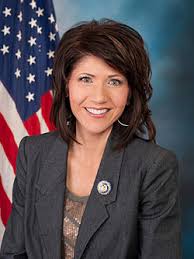
Kristi Noem, the Governor of South Dakota, has emerged as a significant figure in American politics, especially as discussions about leadership and governance intensify in light of the recent midterm elections and the upcoming presidential race in 2024. As one of the few female governors in the United States, she represents a growing trend of women stepping into influential political roles. Her policies, especially in areas pertaining to economic growth, public health, and state governance, have attracted considerable attention both locally and nationally.
Background and Early Career
Born on November 30, 1971, in Watertown, South Dakota, Kristi Noem comes from an agricultural background, having grown up on a cattle ranch. After earning a degree in political science from South Dakota State University, she embarked on a career in politics, initially serving as a state representative before being elected to the U.S. House of Representatives in 2010. During her time in Congress, she developed a reputation for advocating fiscal responsibility and free-market policies.
Governorship and Key Policies
In 2018, Kristi Noem was elected as the Governor of South Dakota, breaking new ground as the first female governor in the state’s history. Her tenure has been marked by a focus on job creation and economic growth, often touting South Dakota’s business-friendly environment. Moreover, she has received both praise and criticism for her handling of the COVID-19 pandemic, opting for less restrictive measures compared to many other states. This approach has positioned her as a symbol of a broader conservative resistance to stringent health mandates, earning her a dedicated base among conservatives.
Her Political Future
As the political landscape evolves, Kristi Noem’s name is frequently mentioned among potential candidates for the 2024 Republican presidential nomination. She has garnered national attention, speaking at major political events and aligning herself with other prominent conservative leaders. With growing popularity and a track record on pivotal issues, Noem is strategically positioning herself as a key player in the Republican Party’s future.
Conclusion
In conclusion, Kristi Noem’s rise in American politics highlights the ongoing changes in leadership dynamics and voter priorities. As she continues to navigate her role as Governor and potentially as a presidential candidate, her influence is likely to expand. For South Dakotans and American voters alike, her policies and leadership style may serve as a significant indicator of the Republican Party’s direction in the coming years. Whether she opts to run for higher office or remains focused on state governance, Kristi Noem’s contributions to politics are set to leave a lasting imprint.