Introduction
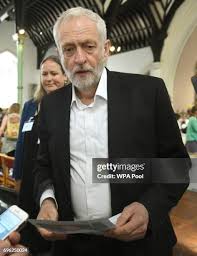
Jeremy Corbyn, the former leader of the UK Labour Party, remains one of the most significant figures in contemporary British politics. His tenureship from 2015 to 2020 was marked by a surge in grassroots activism within the party and sweeping changes in its ideological stance. As a vocal advocate for leftist policies and social justice, Corbyn’s influence continues to resonate amidst ongoing political debates regarding issues such as austerity, inequality, and public service funding.
Corbyn’s Rise to Prominence
Corbyn was first elected as the MP for Islington North in 1983, making a name for himself as a champion of anti-austerity measures, environmental justice, and human rights. His leadership of the Labour Party began during a period of crisis and discontent within the party. Corbyn’s victory in the leadership election was seen as a radical departure from the centrism of former leaders, and he quickly attracted a large following, particularly among younger voters disenchanted with traditional politics.
Key Policies and Initiatives
Under Corbyn’s leadership, the Labour Party promoted an ambitious manifesto that included policies such as renationalisation of railways, free education, and significant investments in renewable energy. These proposals aimed to tackle systemic inequalities and address climate change—issues that gained increasing attention from the electorate. Furthermore, Corbyn’s anti-war stance and activism for Palestinian rights also defined his leadership, garnering both support and opposition from various sectors of society.
The 2019 General Election
The 2019 general election was a defining moment for Corbyn and the Labour Party. Despite initially presenting a promising front, Labour suffered a significant defeat, with the party losing multiple seats and failing to secure a parliamentary majority. The result prompted questions about Corbyn’s leadership and the direction of the party, leading to his eventual resignation as leader in early 2020. The election highlighted divisions within the party and the electorate over the future of Labour’s policies and strategies.
Current Developments and Corbyn’s Legacy
Since stepping down, Corbyn has continued to be a prominent voice in discussions surrounding social justice and human rights. In 2021, he launched the ‘Peace and Justice Project’, focusing on promoting progressive policies and uniting activists. As of 2023, while Corbyn remains suspended as a Labour member due to disputes over antisemitism allegations—a contentious issue that has polarized opinions—his impact on left-wing politics in the UK is undeniable. Many activists see him as a symbol of courage against establishment politics.
Conclusion
Jeremy Corbyn’s political journey is a testament to the complexities of modern politics. His leadership sparked a movement that challenged mainstream norms and sought to address deep-rooted societal issues. As the UK continues to navigate a rapidly changing political landscape, understanding Corbyn’s influence offers valuable insights into the future direction of the Labour Party and the broader implications for social justice movements. Whether viewed as a divisive figure or a beacon of hope, Corbyn’s legacy will likely shape British politics for years to come.