Introduction
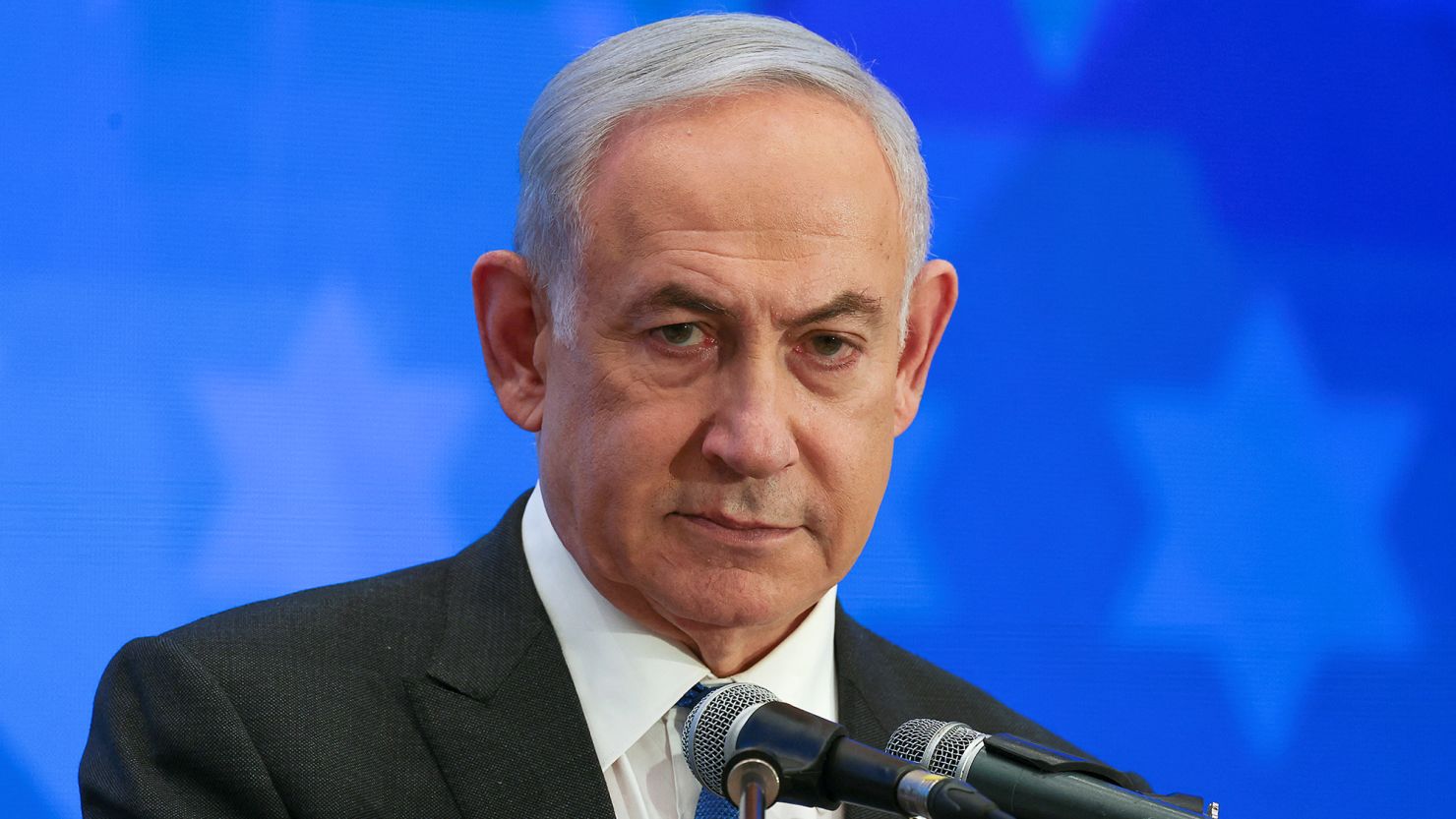
Benjamin Netanyahu, a prominent figure in Israeli politics, has played a pivotal role in shaping the nation’s policies and its relationship with international communities. As the longest-serving prime minister in Israeli history, Netanyahu’s leadership has been marked by controversies, significant diplomatic moves, and the ongoing conflict in the region. Understanding his political journey and current events is crucial for anyone interested in Middle Eastern diplomacy and democratic governance.
Netanyahu’s Political Journey
Netanyahu first entered politics in the late 1980s and quickly rose through the ranks, becoming Israel’s Prime Minister in 1996. His leadership style and policies have sparked both fervent support and intense opposition. Over the years, Netanyahu has focused on issues such as security, economic growth, and strengthening Israel’s military capabilities. His tenure has also been associated with the controversial settlement expansion in the West Bank and the complex dynamics of the Gaza conflict.
Current Developments
As of 2023, Netanyahu returned to power amidst a political landscape that remains deeply divided. Following the elections in late 2022, he led a coalition that includes right-wing and religious parties, reshaping the Israeli political scene. Recent events, including ongoing tensions with Palestinians and the Israeli government’s controversial judicial reforms, have sparked protests and debate within Israel and beyond. Critics argue that these reforms threaten democracy and judicial independence, while supporters contend they are necessary to improve governance.
International Relations
Netanyahu’s foreign policy has also drawn global attention, notably his approach to relations with Arab states. The Abraham Accords, which normalised relations with several Gulf countries, stand as a landmark achievement during his previous terms. However, ongoing conflicts, particularly with Iran and in the Palestinian territories, complicate Israel’s international standing. The recent surge in hostilities in the Gaza Strip has raised concerns about a potential escalation, leading Netanyahu to seek support from international allies, particularly the United States.
Conclusion
As Netanyahu continues to navigate the complex waters of Israeli politics, his influence remains significant. The current administration’s policies, particularly regarding security and legal reform, will likely impact Israel’s socio-political fabric and its relations worldwide. Observers and analysts will keenly watch how these dynamics unfold in the coming months, as Netanyahu’s decisions could have lasting implications for peace efforts in the region and the stability of Israel’s democracy.