Introduction
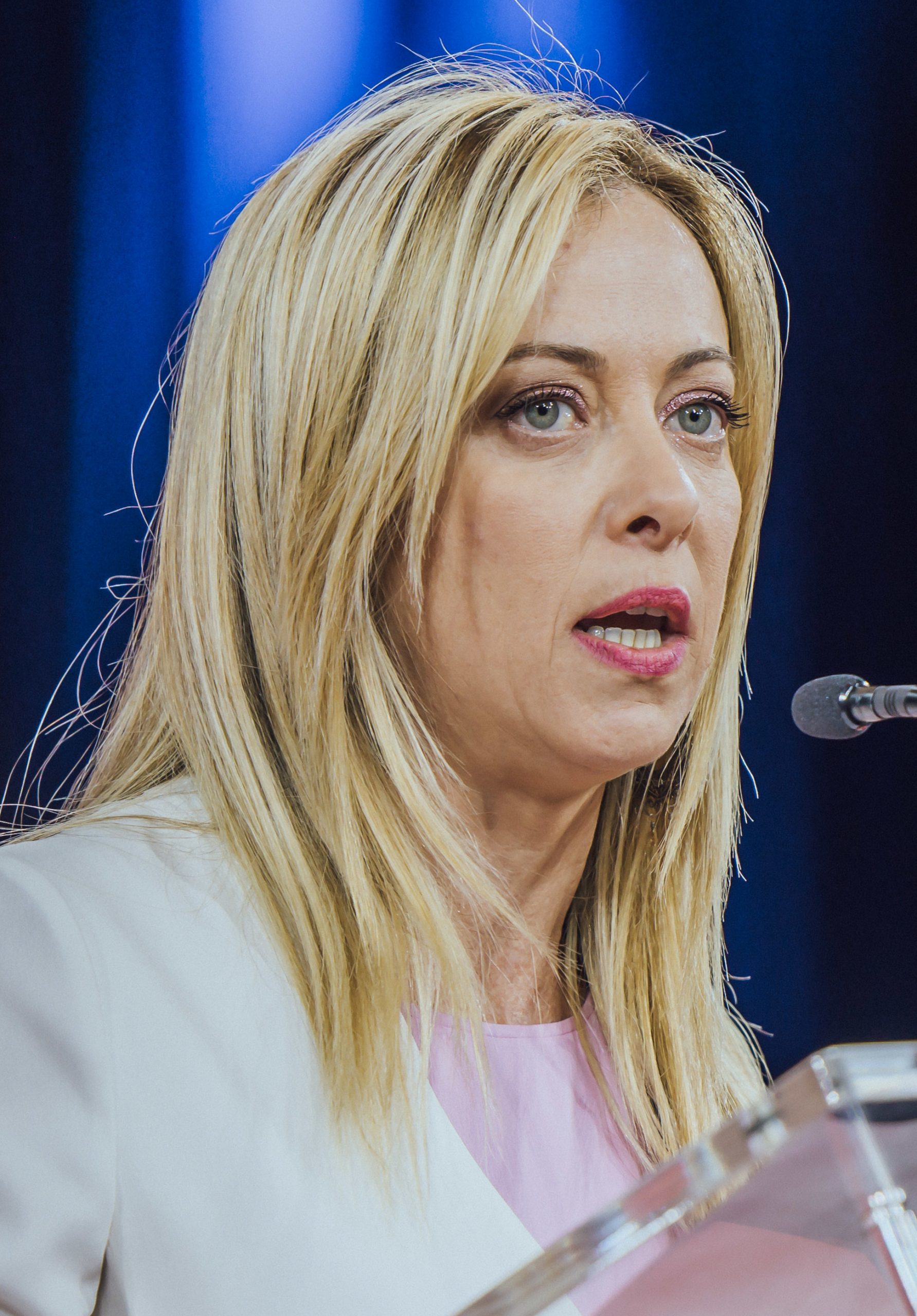
Giorgia Meloni’s rise to power as Italy’s new Prime Minister marks a significant moment in Italian and European politics. As the first woman to hold the office, her leadership is reshaping the political landscape amid ongoing economic and social challenges. Understanding her policies and governance style is crucial for grasping the future trajectory of Italy and its role within the European Union.
Background and Political Career
Born on January 15, 1977, in Rome, Giorgia Meloni co-founded the Brothers of Italy (Fratelli d’Italia) party in 2012, steeped in nationalist and conservative ideologies. With a background in youth politics, she quickly ascended the ranks, serving as Minister of Youth in the government of Prime Minister Silvio Berlusconi from 2008 to 2011. In the 2022 general elections, her party emerged as the leading force in the right-wing coalition, allowing her to become Prime Minister after a decisive victory.
Policy Focus and Challenges
As Prime Minister, Meloni has pledged to address various pressing issues, including economic recovery post-COVID-19, immigration control, and national sovereignty. Her government aims to implement policies that promote economic growth while retaining a strong stance on immigration, reflecting her party’s core values. However, she faces challenges, including rising inflation and energy crises stemming from the Ukraine conflict, which impact Italy’s economy significantly.
International Relations and European Union
Meloni’s administration is crucial in redefining Italy’s relationship with the European Union. While advocating for stricter immigration policies, she also faces the need for EU support in economic matters. The combination of a nationalist agenda with the realities of EU membership creates a complex dynamic that will require careful navigation.
Conclusion
Giorgia Meloni’s ascension to the premiership represents a pivotal shift in Italian politics, bringing both opportunities and challenges for the nation’s future. Her government’s policies will be closely watched, as they will not only influence Italy’s domestic affairs but also its role within the broader European context. As Italy grapples with pressing economic and social issues, Meloni’s leadership may signal a new direction for the country, one that balances national interests with the realities of collaboration on the European stage.